
How to Keep Dogs Safe During Nigeria’s Hot Season: Exercise, Hydration and Heatstroke Prevention
Written by Dr. Mamman Job
Registered Veterinary Surgeon | Veterinary Council of Nigeria
View author profile
Nigeria’s hot season can be challenging for dogs, particularly those that spend much of the day outdoors or exercise regularly. High temperatures, strong sunlight, poor ventilation and limited access to drinking water can make it difficult for a dog to maintain a safe body temperature.
Unlike humans, dogs do not cool themselves mainly by sweating across their skin. They depend largely on panting to release body heat, with only limited sweating through their paw pads. When the surrounding temperature or humidity makes cooling difficult, a dog can become overheated. In serious cases, this can develop into heatstroke, a life-threatening emergency.
Responsible dog care during hot weather involves more than providing a bowl of water. Owners need to adjust exercise routines, create comfortable resting areas, monitor their dogs for early warning signs and understand when veterinary attention is necessary.
This guide explains practical ways to protect dogs during Nigeria’s hot season, including safe exercise, hydration, environmental management and what to do when heatstroke is suspected.
Why Hot Weather Can Be Dangerous for Dogs
Dogs produce body heat through normal metabolism and physical activity. They release much of this heat through panting, which helps moisture evaporate from their respiratory surfaces.
However, panting becomes less effective when the surrounding air is very hot or humid. If a dog continues exercising or remains in a poorly ventilated environment, its body temperature may rise faster than it can lose heat.
This can lead to heat stress and, in severe cases, heatstroke. Heatstroke is a medical emergency because excessive body heat can damage organs and affect normal body functions.
Several everyday situations can increase the risk:
- Walking or running during the hottest part of the day.
- Leaving a dog outdoors without adequate shade.
- Keeping a dog in a poorly ventilated room or enclosed space.
- Allowing strenuous play without rest breaks.
- Travelling with a dog in a hot vehicle.
- Failing to provide continuous access to drinking water.
Importantly, a dog does not have to be exercising to overheat. A hot, enclosed environment can also become dangerous.
1. Adjust Your Dog’s Exercise Routine During Hot Weather
Dogs need regular physical activity to maintain healthy muscles, joints and body weight. However, exercise routines should be adjusted when temperatures rise.
The goal is not necessarily to stop all exercise. It is to reduce unnecessary heat exposure and prevent physical activity from becoming too demanding.
Choose cooler times for walks
Early morning and later evening are generally better times for walking dogs during hot weather. Avoid outdoor exercise around midday and during particularly hot afternoons.
However, do not assume that every evening is automatically safe. Some days remain hot well after sunset. Consider the actual temperature, humidity, available shade and your dog’s behaviour before going outside.
For example, if your dog normally takes a long afternoon walk, you could move the walk to an earlier morning period when the surroundings are cooler.
Reduce exercise intensity
A dog that normally enjoys running, chasing balls or playing energetically may need a less demanding routine during the hot season.
Consider these adjustments:
- Replace long runs with shorter, relaxed walks.
- Reduce intense games such as repeated ball chasing.
- Allow frequent rest breaks.
- Avoid forcing a dog to continue when it appears tired.
- Stop outdoor activity if the dog begins panting excessively or becomes reluctant to move.
A dog that is panting heavily, struggling to keep up or repeatedly searching for shade should not be encouraged to continue exercising.
Consider indoor activities
When outdoor conditions are uncomfortable, indoor activities can help keep dogs mentally stimulated without exposing them to direct sunlight.
Examples include:
- Short obedience-training sessions.
- Simple scent games using appropriate treats.
- Food puzzles designed for dogs.
- Gentle indoor play.
- Practising familiar commands such as sit, stay and come.
Make sure indoor activities take place in a reasonably cool, well-ventilated area. Indoor exercise should also be moderate rather than physically demanding.
Check the walking surface
Pavements, asphalt, concrete and exposed sand can become extremely hot under direct sunlight. These surfaces may burn a dog’s paw pads.
Before walking, place the back of your hand against the surface for several seconds. If it is too hot to hold comfortably, choose a cooler route or postpone the walk.
Watch for signs of paw injury, including:
- Limping or refusing to walk.
- Repeatedly licking or chewing the paws.
- Redness or blisters.
- Damaged or peeling paw pads.
If you notice an injury, stop the walk and contact a veterinarian for advice.
2. Make Fresh Drinking Water Available Throughout the Day
Hydration is essential during hot weather because dogs lose water through normal body functions and increased panting.
A dog that does not drink enough water may become dehydrated, particularly when exposed to heat or physical activity.
Provide clean water at all times
Make sure your dog has access to fresh, clean drinking water throughout the day.
A few practical steps can help:
- Use a stable water bowl that cannot easily tip over.
- Place the bowl in a shaded and accessible area.
- Refill it regularly.
- Wash the bowl frequently to prevent dirt and slime from accumulating.
- Keep an additional bowl available where practical.
If your dog spends time in more than one area of the house or compound, consider providing water in each location.
Carry water during walks and outings
Dogs should not have to wait until they return home before getting a drink after exercise.
Carry a bottle of drinking water and a portable bowl whenever you take your dog outside. Offer water during rest breaks, especially after physical activity.
Allow the dog to drink comfortably rather than forcing it to consume a large quantity at once.
Understand your dog’s normal drinking habits
There is no single daily water requirement that is appropriate for every dog. Water needs vary according to body size, diet, activity level, age, health and environmental conditions.
Dogs eating mostly dry food may obtain less moisture from their meals than dogs eating wet food.
Pay attention to changes in drinking habits. A sudden increase or decrease in water consumption can sometimes indicate an underlying health problem and should be discussed with a veterinarian.
Recognise possible signs of dehydration
Possible signs of dehydration include:
- Dry or sticky gums.
- Reduced energy or unusual tiredness.
- Sunken-looking eyes.
- Reduced urine production.
- Weakness.
These signs are not specific to dehydration alone. A dog showing them should be assessed by a veterinarian, particularly if it is also exposed to heat or appears unwell.
Do not rely on a skin-pinch test alone to determine hydration status. Skin elasticity can vary with age, body condition and other factors.
3. Create a Cool, Shaded and Well-Ventilated Resting Area
A dog needs somewhere comfortable to rest when outdoor conditions become hot.
If your dog stays in a compound, kennel or designated outdoor area, check that its shelter provides protection throughout the day.
Provide reliable shade
A shaded area should protect your dog from direct sunlight at different times of the day.
A tree may provide shade in the morning but leave the same area exposed in the afternoon as the sun moves. Check the shelter at different times rather than assuming it remains shaded all day.
Suitable arrangements may include:
- A properly ventilated covered kennel.
- A shaded veranda.
- A cool indoor room.
- A secure area protected from direct sunlight.
Avoid keeping a dog in a metal kennel or poorly ventilated enclosure that becomes excessively hot.
Improve ventilation
Good airflow helps dogs remain comfortable because panting depends partly on the movement of air and evaporation.
Keep resting areas free from unnecessary obstructions. Where appropriate, use a fan to improve air circulation.
A fan can improve comfort, but it should not be treated as a substitute for shade, drinking water or moving the dog away from excessive heat.
If the indoor environment remains very hot, consider moving the dog to a cooler part of the house.
Use cooling aids carefully
Some simple cooling options may help dogs feel more comfortable:
- A pet-safe cooling mat used according to the manufacturer’s instructions.
- A shallow, supervised paddling pool where appropriate.
- A cool, damp surface for resting.
- Access to a comfortably cool indoor area.
Always supervise dogs around water, especially if they are unfamiliar with swimming or the water container is deep.
Avoid placing a cooling product where a dog may chew and swallow its contents.
4. Know Which Dogs Need Extra Protection
Every dog can develop heat-related illness, but certain dogs may be more vulnerable.
Owners of these dogs should take additional precautions during hot weather.
Flat-faced breeds
Dogs with short or flattened faces are known as brachycephalic breeds.
Examples include:
- Pugs.
- English Bulldogs.
- French Bulldogs.
- Some types of Boxers.
These dogs may have narrowed airways and can struggle to move air efficiently while panting. As a result, they may have greater difficulty cooling themselves.
Even moderate exercise can become risky for some affected dogs in hot conditions.
Puppies and older dogs
Very young puppies may not regulate their body temperature as effectively as healthy adult dogs.
Older dogs may also have reduced exercise tolerance or underlying medical conditions that affect their ability to cope with heat.
Keep their activities gentle and provide frequent opportunities to rest in a cool environment.
Overweight dogs
Excess body weight can make physical activity more demanding and increase the difficulty of coping with heat.
If your dog is overweight, discuss a safe weight-management and exercise plan with a veterinarian. Avoid suddenly increasing exercise intensity during the hot season.
Dogs with existing health conditions
Dogs with heart disease, respiratory problems or other chronic illnesses may need individual exercise and environmental recommendations.
Thick-coated dogs may also require additional attention, although coat type alone does not determine whether a dog will develop heatstroke.
If your dog belongs to a higher-risk group, ask your veterinarian what precautions are appropriate for its age, breed and health status.
5. Never Leave Your Dog Inside a Parked Vehicle
A parked vehicle can become dangerously hot, even when the weather outside does not seem extreme.
Leaving the windows slightly open or parking under a tree does not make a vehicle a safe place for an unattended dog.
The temperature inside a vehicle can rise rapidly because heat becomes trapped within the enclosed space.
A dog left inside may become distressed, overheat and develop heatstroke.
If you need to visit a shop, attend an appointment or run an errand, arrange for your dog to remain in a safe environment instead of leaving it in the vehicle.
This applies to short stops as well as longer journeys.
Travelling with a dog during hot weather
If you must transport your dog:
- Travel during cooler hours where possible.
- Ensure the vehicle has adequate ventilation.
- Avoid overcrowding the dog’s travel space.
- Carry drinking water and a suitable bowl.
- Take breaks on longer journeys.
- Never leave the dog unattended in the vehicle.
For long-distance journeys, plan stops and check that your dog is comfortable throughout the trip.
6. Recognise the Warning Signs of Heatstroke
Recognising heatstroke early can make an important difference to a dog’s chances of recovery.
Some dogs may initially show signs of discomfort before developing more severe symptoms.
Early signs of overheating
Watch for:
- Excessive or unusually heavy panting.
- Increased drooling.
- Restlessness or agitation.
- Seeking shade repeatedly.
- Reluctance to continue walking or playing.
- Unusual tiredness.
- A faster-than-normal breathing rate.
These signs should not be ignored. Stop the activity and move the dog to a cooler environment immediately.
More serious signs of heatstroke
Severe heat-related illness may involve:
- Difficulty breathing.
- Vomiting or diarrhoea.
- Weakness or inability to stand.
- Staggering or poor coordination.
- Confusion or unusual behaviour.
- Seizures.
- Collapse or loss of consciousness.
A dog displaying these symptoms requires emergency veterinary attention.
Do not wait for every symptom to appear before seeking help. Heatstroke can progress rapidly and may cause serious internal damage.
7. What to Do If You Suspect Your Dog Has Heatstroke
Heatstroke is an emergency. Immediate cooling and urgent veterinary care are essential.
If you suspect your dog is suffering from heatstroke, follow these steps:
Step 1: Stop the activity and move the dog away from heat
Stop walking, running or playing immediately.
Move the dog away from direct sunlight and into a cool, shaded or well-ventilated environment.
Do not make the dog walk unnecessarily if it is weak or struggling to stand.
Step 2: Begin cooling with cool water
Use cool tap water to wet the dog’s body, paying attention to areas such as the neck, underside and inner thighs.
Avoid delaying cooling while searching for specialised products.
Do not use ice or extremely cold water as a home treatment. Follow veterinary instructions if you have access to a veterinarian who can guide you during the emergency.
If available, use airflow to help cooling while preparing for transport.
Step 3: Contact a veterinarian immediately
Call the nearest veterinary clinic or emergency veterinary service and explain what has happened.
Tell the veterinarian:
- When the symptoms began.
- Whether the dog was exercising or exposed to direct heat.
- What signs you have observed.
- What cooling measures you have already taken.
Follow the veterinarian’s instructions and arrange urgent transport.
Step 4: Transport the dog safely
Take the dog to a veterinary facility as soon as possible.
Keep the vehicle well ventilated or air-conditioned if available. Continue following the veterinarian’s advice about cooling during transport.
Do not assume the dog is safe simply because its panting has reduced or it appears to have recovered.
Heatstroke can cause internal complications that are not immediately obvious. Veterinary assessment is important even when the dog seems better.
Important: Do not force water into the mouth of a weak, confused, unconscious or struggling dog because it may inhale the water. Do not give human medication unless a veterinarian specifically instructs you to do so.
8. Common Mistakes Dog Owners Should Avoid During the Hot Season
Some well-intentioned practices can increase a dog’s risk of overheating.
Exercising a dog to exhaustion
A dog may continue running or playing even when it is becoming dangerously hot. Do not use enthusiasm as proof that the conditions are safe.
Take breaks and end the activity when necessary.
Assuming a kennel is automatically safe
A kennel can become very hot if it is exposed to direct sunlight or has poor ventilation.
Check the temperature and airflow inside the shelter throughout the day.
Shaving every dog to keep it cool
Shaving is not automatically beneficial for every breed. A dog’s coat can provide insulation and protection from sunlight, and the effect of clipping depends on its coat type.
Speak with a veterinarian or knowledgeable professional groomer before making significant changes to your dog’s coat.
Regular grooming and removal of loose or matted hair may be helpful for some dogs, but shaving should not be treated as a universal heat-prevention solution.
Ignoring changes in behaviour
A dog that suddenly becomes unusually quiet, refuses to walk or pants heavily may be experiencing heat stress or another health problem.
Do not assume that the dog is simply being lazy.
Waiting for severe symptoms before seeking help
Heat-related illness can become life-threatening. If your dog shows concerning signs of overheating, act immediately rather than waiting for collapse or seizures.
9. A Practical Daily Hot-Weather Care Routine for Dogs
A simple routine can help dog owners maintain consistent care during Nigeria’s hot season.
| Time of day | Recommended activity |
|---|---|
| Early morning | Offer fresh water and take a short walk if conditions are suitable |
| Late morning | Keep the dog in a cool, shaded and ventilated environment |
| Afternoon | Avoid strenuous outdoor activity; provide water and allow rest |
| Early evening | Check conditions before allowing gentle exercise |
| Night | Refresh drinking water and ensure the dog has a comfortable resting area |
This is a flexible guide rather than a fixed timetable. Adjust it according to the weather, your dog’s age, breed, health and activity tolerance.
On particularly hot or humid days, it may be safer to skip outdoor exercise altogether and use gentle indoor enrichment instead.
Frequently Asked Questions
1. What is the best time to walk a dog during Nigeria’s hot season?
Early morning and later evening are generally better because temperatures are often lower. However, check the actual conditions before walking. If the air remains hot or humid, shorten the walk or postpone it.
2. Can dogs stay outside during hot weather?
Dogs may spend some time outdoors when conditions are suitable, but they need continuous access to fresh water, reliable shade and good ventilation. During extreme heat, moving them into a cooler indoor environment is safer.
3. How can I tell if my dog is dehydrated?
Possible signs include dry or sticky gums, reduced energy, sunken-looking eyes and reduced urine production. These signs can have other causes, so contact a veterinarian if you suspect dehydration.
4. Can a fan keep my dog cool?
A fan can improve airflow and may help your dog feel more comfortable. However, it should not replace shade, fresh drinking water or access to a cooler environment.
5. Should I shave my dog’s fur during the hot season?
Not necessarily. Shaving is not appropriate for every coat type and may remove natural protection from sunlight. Ask a veterinarian or qualified groomer before making major changes to your dog’s coat.
6. Are puppies more vulnerable to heatstroke?
Puppies may be more vulnerable because their ability to regulate body temperature is still developing. Avoid strenuous exercise, provide fresh water and supervise them carefully in hot conditions.
7. Can a dog develop heatstroke after a short walk?
Yes. Risk depends on several factors, including temperature, humidity, exercise intensity, breed and underlying health. A short walk can still be unsafe for a high-risk dog in very hot conditions.
8. What should I do if my dog collapses in hot weather?
Treat collapse as an emergency. Move the dog away from heat, begin cooling with cool water, contact a veterinarian immediately and arrange urgent transport. Do not wait to see whether the dog recovers on its own.
Final Thoughts
Keeping dogs safe during Nigeria’s hot season requires attention to their environment, hydration and daily activity.
Simple adjustments such as choosing cooler walking times, reducing strenuous exercise, providing clean drinking water and ensuring adequate shade can help reduce the risk of heat-related illness.
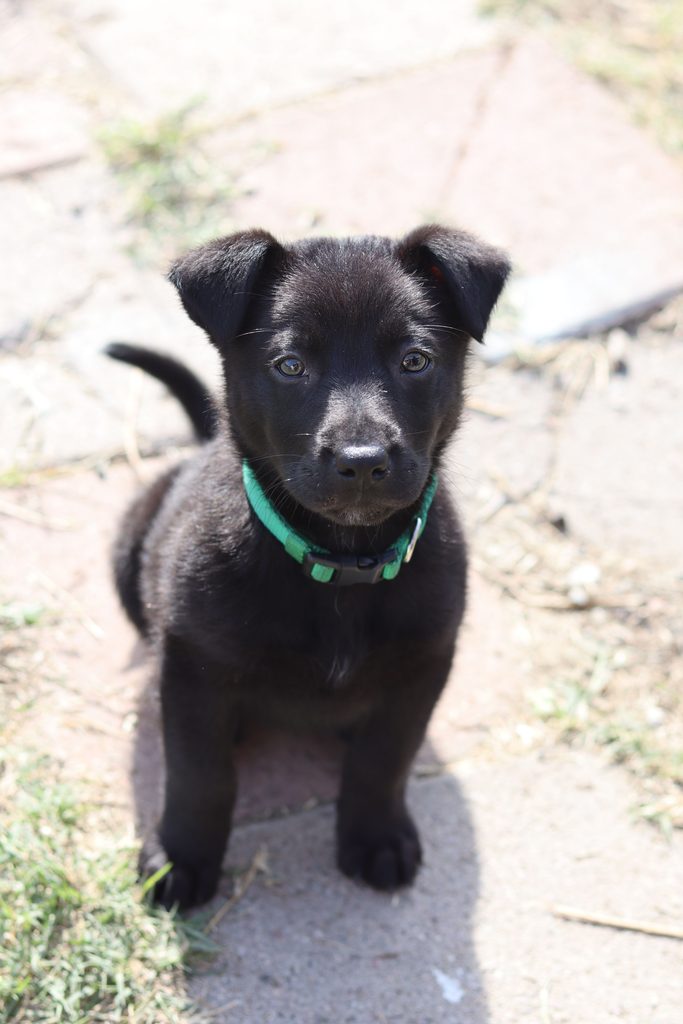
Owners should also understand that every dog has different needs. Puppies, older dogs, overweight dogs, flat-faced breeds and dogs with existing medical conditions may require additional protection.
Most importantly, learn to recognise the warning signs of overheating and act quickly if heatstroke is suspected. Early cooling and urgent veterinary attention can be lifesaving.
A comfortable resting area, a sensible exercise routine and access to fresh water are practical steps every responsible dog owner can take to protect their pet during hot weather.
Veterinary note: This article provides general educational information. It does not replace an individual veterinary examination, diagnosis or treatment. If your dog shows signs of heatstroke, contact a veterinarian immediately.
Reviewed by Dr. Job Mamman
Leave a Reply