
How Often Should Dogs Go to the Vet? A Complete Guide by Age and Health
Written by Dr. Mamman Job
Registered Veterinary Surgeon | Veterinary Council of Nigeria
View author profile
Regular veterinary checkups are an important part of keeping a dog healthy, but how often should you actually take your dog to the vet? The answer depends on your dog’s age, medical history, lifestyle, and risk of disease. A growing puppy needs more frequent appointments than a healthy adult dog, while an older dog or one living with a chronic condition may need closer monitoring throughout the year.
As a general guide, healthy adult dogs should have a veterinary wellness examination at least once a year. Puppies commonly need appointments every three to four weeks during their early vaccination and development period, while senior dogs often benefit from checkups every six months. Your veterinarian may recommend a different schedule based on your dog’s individual needs.
These visits are about more than vaccinations. They help monitor weight, dental health, mobility, nutrition, behaviour, and potential health problems before they become more difficult to manage.
This guide explains how often dogs should visit the vet at different life stages, what happens during a routine examination, and when you should seek care before your next scheduled appointment.
How Often Should Dogs Visit the Vet?
The following schedule is a practical starting point for planning routine veterinary care.
| Dog’s life stage or health status | General appointment schedule |
|---|---|
| Young puppies | Every 3–4 weeks during the early vaccination and development period, commonly until around 4 months |
| Healthy young adult dogs | At least once every 12 months; every 6–12 months may be appropriate |
| Healthy mature adult dogs | At least annually, with 6–12-month visits considered according to individual needs |
| Senior dogs | Commonly every 6 months or more frequently if recommended |
| Dogs with chronic illnesses | According to the condition, treatment plan, and veterinarian’s instructions |
| Dogs recovering from surgery or significant illness | At the specific follow-up intervals prescribed by the veterinary team |
These intervals are general recommendations, not fixed rules for every dog. Puppies may need additional visits depending on their vaccine history, parasite risks, and health. Senior status also varies with breed, size, and expected lifespan rather than a single birthday.
The American Animal Hospital Association (AAHA) recommends at least annual veterinary examinations for pets, with more frequent visits when appropriate. The Merck Veterinary Manual’s routine dog-care guidance provides additional practical scheduling advice.
How Often Should Dogs Visit the Vet by Age?
1. Puppies: Every 3–4 Weeks During Early Development
Puppies grow quickly and require a structured preventive-care plan. Their early appointments help establish protection against infectious diseases, monitor growth, and identify problems while they are still developing.
During the first few months, your veterinarian may schedule visits every three to four weeks, depending on the puppy’s age, previous care, and vaccination protocol.
Puppy appointments may include:
- Vaccinations: Planning a suitable primary vaccination course and subsequent boosters.
- Parasite checks: Assessing the need for deworming, stool testing, and protection against locally important parasites.
- Growth monitoring: Checking body weight, nutrition, development, and general physical condition.
- Identification: Discussing microchipping or other appropriate identification methods.
- Feeding advice: Reviewing portion sizes, suitable puppy food, and healthy growth.
- Behaviour and socialisation: Discussing safe early experiences, handling, toilet training, and ways to reduce fear.
- Reproductive planning: Discussing the appropriate timing of spaying or neutering where relevant.
For example, a 10-week-old puppy adopted without a complete vaccination record may need an examination and a tailored vaccination plan before being allowed into higher-risk environments.
Do not assume that one injection fully protects a puppy. The veterinarian will determine the required doses and timing based on the vaccine, age, previous records, and local disease risks.
2. Young Adult Dogs: Every 6–12 Months
Young adult dogs may appear energetic and healthy, but they still need preventive care. This stage is an opportunity to establish healthy routines and identify problems that may otherwise go unnoticed.
A veterinarian can assess:
- Weight and body condition.
- Teeth, gums, ears, eyes, and skin.
- Diet, exercise, and activity levels.
- Vaccination requirements.
- Flea, tick, worm, and other parasite prevention.
- Behaviour changes and emerging mobility problems.
- Breed-related health risks and reproductive health.
Some healthy young adults may do well with annual examinations, while others benefit from visits every six months. Working dogs, dogs with substantial outdoor exposure, and animals with recurring health problems may require additional appointments.
For example, a dog that spends considerable time outdoors in an area with heavy tick exposure may need a more intensive parasite-prevention plan than a dog with limited exposure. The correct approach depends on local risks and the products available.
3. Mature Adult Dogs: At Least Annually
A mature adult dog can remain active and playful while gradually developing dental disease, excess weight, arthritis, or other health problems.
At this stage, regular examinations help establish a record of the dog’s normal health. Changes in body weight, muscle condition, mobility, appetite, and drinking habits can be easier to recognize when previous findings are available for comparison.
Your veterinarian may discuss:
- Whether your dog’s diet remains appropriate.
- Dental cleaning and home dental care.
- Changes in exercise tolerance or joint mobility.
- Vaccination and parasite-control schedules.
- Screening tests based on age, breed, history, and examination findings.
- Any new medication, supplement, or behavioural concern.
A healthy five-year-old dog may only require an annual wellness examination, but a dog of the same age with diabetes, recurrent ear infections, or another ongoing condition will need a more individualized schedule.
There is no benefit in treating every adult dog as though it has identical medical needs. The goal is to provide appropriate preventive care while investigating genuine risks.
4. Senior Dogs: Commonly Every Six Months
Older dogs are more likely to develop conditions that progress gradually, including osteoarthritis, dental disease, kidney problems, endocrine disorders, and some cancers. Changes may initially be subtle.
For this reason, many senior dogs benefit from veterinary examinations approximately every six months. Dogs with existing illnesses or new symptoms may need more frequent assessments.
A senior checkup may focus on:
- Weight loss or unexplained weight gain.
- Changes in thirst or urination.
- Stiffness, limping, or difficulty standing.
- Dental pain or difficulty eating.
- Hearing, vision, and behavioural changes.
- Appetite, digestion, and muscle loss.
- Blood tests, urine tests, or other investigations when indicated.
- Pain management, mobility support, and quality of life.
The age at which a dog is considered senior depends partly on breed and expected lifespan. Some large dogs enter their senior years earlier than many smaller dogs.
Consider an older dog that still enjoys walks but has begun taking longer to stand after resting. The change might reflect joint discomfort, but a veterinary examination is needed to assess the cause and determine appropriate treatment.
Age alone does not mean a dog is unhealthy. Regular monitoring helps owners and veterinarians respond to changes while preserving comfort and daily function.
Getting a Pets green card also helps. the pets green card is a documented card that keeps records of all medication/vaccines of your dogs.

How Health Conditions Change Your Dog’s Vet Schedule
Age is only one part of the decision. A dog’s existing health, treatment, and exposure risks can make additional visits necessary.
Dogs With Chronic Conditions
Dogs with diabetes, heart disease, kidney disease, hormonal disorders, or other long-term conditions may need scheduled reassessments, laboratory testing, or medication adjustments.
For example, a dog receiving treatment for diabetes may require checks of blood glucose control, appetite, body weight, and treatment response. A dog with heart disease may need monitoring based on clinical signs and test results.
Do not wait for the annual checkup if your veterinarian has prescribed more frequent follow-ups.
Dogs With Recurrent Health Problems
Repeated ear infections, persistent skin irritation, ongoing digestive symptoms, or recurring urinary problems deserve assessment rather than repeated home treatment.
A veterinarian may need to investigate the underlying cause, review previous treatment, and determine whether further testing is necessary. Repeatedly using leftover medication can delay appropriate diagnosis and may be unsafe.
Dogs With High Exposure to Parasites or Infectious Diseases
Dogs that roam outdoors, travel, attend boarding facilities, visit dog parks, or live in areas with substantial tick or mosquito exposure may need preventive measures tailored to those risks.
In warm climates, flea and tick activity may persist for much of the year. However, the correct prevention schedule and choice of product depend on local parasite patterns, the dog’s health, and veterinary advice.
Discuss vaccination and parasite prevention with a local veterinarian rather than relying exclusively on schedules developed for another country.
What Happens During a Routine Veterinary Checkup?
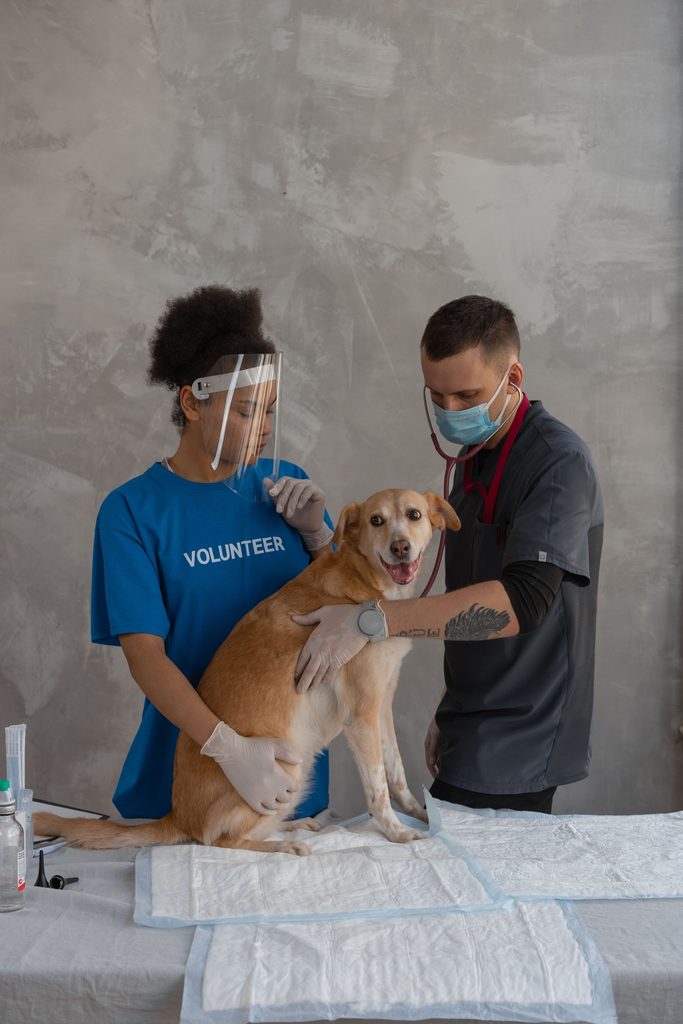
A wellness appointment is a general health assessment, not simply a vaccination visit.
Physical Examination
The veterinarian will usually review the dog’s history and examine relevant body systems. Depending on the patient, this may include:
- Body weight and body condition.
- Heart and lung sounds.
- Eyes, ears, nose, mouth, and teeth.
- Skin, coat, and external parasites.
- Abdominal examination.
- Gait, joints, and mobility.
- Signs of pain or discomfort.
The examination may identify concerns that need further investigation, but not every condition can be detected through a physical examination alone.
Vaccinations and Preventive Care
Your veterinarian will review the dog’s vaccination records and exposure risks to decide which vaccines are due.
Core vaccines generally protect against important infectious diseases, while additional vaccines may be recommended depending on location, lifestyle, and exposure. Booster intervals differ between vaccines and products.
The visit may also include a review of parasite prevention, deworming, and screening for relevant infectious diseases.
Dental, Nutrition, and Behaviour Assessment
Dental disease may develop without obvious changes in a dog’s appetite. The veterinarian can look for signs of oral discomfort and recommend appropriate home care or professional dental treatment.
Nutrition discussions can help address obesity, inadequate growth, changes in appetite, and special dietary needs. Behavioural concerns, including anxiety or changes in sleep and activity, may also deserve attention.
Blood Tests, Urine Tests, and Other Investigations
Not every healthy dog requires the same laboratory tests at every visit.
Depending on age, medical history, breed, examination findings, and medication use, a veterinarian may recommend blood work, urinalysis, stool testing, blood-pressure measurement, imaging, or other diagnostic procedures.
For some older dogs, periodic laboratory screening can help identify abnormalities before obvious symptoms develop. However, screening has limitations: a normal result does not rule out every disease, and an abnormal result may require additional testing to understand its significance.
Ask what each recommended test is intended to detect and how the result could influence your dog’s care.
Why Regular Veterinary Visits Matter
Earlier Recognition of Health Problems
Dogs cannot explain where they hurt or when a symptom first began. A veterinary examination provides an opportunity to investigate changes in weight, mobility, appetite, behaviour, and physical condition.
Finding a problem earlier may allow treatment or management to begin sooner, although early detection cannot guarantee a particular outcome.
Better Preventive Care
Regular appointments help keep vaccinations, parasite prevention, dental care, and other preventive measures on schedule.
This is particularly useful for puppies, dogs with outdoor exposure, and pets whose preventive-care records are incomplete.
More Informed Nutrition and Weight Management
A dog’s nutritional needs change with growth, activity, ageing, and disease. Regular weight and body-condition assessments help identify when feeding portions or exercise routines may need adjustment.
Improved Management of Long-Term Illness
For dogs with chronic conditions, follow-up visits help assess whether treatment remains effective, whether side effects are developing, and whether the care plan needs adjustment.
A Clearer Health History
Keeping a consistent veterinary record makes it easier to compare previous examination findings, test results, medications, and changes in body weight over time.
This information can be especially useful when a dog changes clinics or develops a new health concern.
When Should You Take Your Dog to the Vet Before the Next Checkup?
A routine appointment schedule should never prevent you from seeking care when your dog becomes unwell.
Contact a veterinarian promptly if your dog develops persistent vomiting or diarrhoea, a noticeable change in appetite, unexplained weight loss, increased thirst or urination, recurring coughing, unusual lethargy, eye discharge, skin problems, or limping.
The urgency depends on the symptom, its severity, the dog’s age, and any underlying health conditions. Puppies, very old dogs, and animals with chronic illnesses may deteriorate more quickly.
Signs That Need Emergency Veterinary Care
Seek emergency veterinary attention for signs such as:
- Difficulty breathing or severe respiratory distress.
- Collapse, unresponsiveness, or seizures.
- Suspected poisoning or ingestion of a dangerous substance.
- Severe bleeding or major trauma.
- A swollen abdomen accompanied by repeated unproductive retching.
- Inability to urinate, particularly with repeated straining.
- Severe pain or rapidly worsening weakness.
Do not wait for symptoms to persist for a day or two when an emergency is possible. Call the nearest veterinary clinic or emergency service and follow its instructions.
Avoid giving human painkillers or other medicines unless a veterinarian specifically instructs you to do so. Some medicines intended for people can be dangerous to dogs.
How to Prepare for Your Dog’s Veterinary Appointment
A little preparation can make an appointment more useful and reduce the chance of forgetting important details.
- Bring vaccination and medical records. Include previous test results, medication details, and information about recent treatments where available.
- Write down your concerns. Note when symptoms began, how often they occur, and whether they are getting better or worse.
- Record changes at home. Appetite, water consumption, urination, stools, activity, sleep, and mobility can all provide useful information.
- Ask about preventive-care costs. Find out which services are recommended now, which can be scheduled later, and whether any options are available within your budget.
- Confirm preparation instructions. Ask the clinic whether your dog needs to fast or whether you should bring a stool or urine sample. Do not withhold food or water unless instructed.
- Plan for transport and anxiety. Use a secure carrier or restraint appropriate for your dog and discuss fear or motion sickness with the clinic beforehand.
- Book the next appointment. Before leaving, confirm the next checkup, vaccine, medication review, or diagnostic follow-up that is actually due.
If you cannot afford every recommended service at once, explain your situation openly. A veterinarian may be able to prioritize the most urgent needs and develop a staged plan.
Frequently Asked Questions
Can a healthy dog go to the vet only once a year?
Annual examinations are a reasonable minimum starting point for many healthy adult dogs. However, puppies, senior dogs, and dogs with particular medical or exposure risks may need more frequent visits. Your veterinarian can recommend an appropriate interval.
Do indoor dogs need regular veterinary checkups?
Yes. Indoor living does not eliminate the risk of dental disease, obesity, infectious disease, parasites, or age-related conditions. Preventive care should reflect actual exposure risks, but indoor dogs still need routine health assessments.
Should I take my dog to the vet every six months?
Six-monthly examinations can be helpful for senior dogs and some adults, especially those with ongoing health concerns. They are not automatically necessary at the same interval for every healthy adult dog. Discuss your dog’s individual needs with your veterinarian.
How often should puppies visit the vet for vaccinations?
Puppies commonly attend appointments every three to four weeks during early development, often until approximately four months of age. The exact schedule depends on the vaccine protocol, the puppy’s age, previous vaccination history, and local disease risks.
Do senior dogs need blood tests at every visit?
Not necessarily. Blood tests and other screening procedures should be selected according to the dog’s age, health, medication use, clinical findings, and the veterinarian’s recommendations. Some senior dogs benefit from testing every six to twelve months, while others need a different schedule.
Can I skip a veterinary visit if my dog seems healthy?
A dog that appears healthy can still have developing dental, metabolic, or other medical problems. Routine examinations help assess health and update preventive care even when no obvious symptoms are present.
When should I take my dog to the vet for vomiting or diarrhoea?
Seek prompt veterinary advice if vomiting or diarrhoea is repeated, severe, persistent, bloody, or accompanied by weakness, pain, dehydration, or other concerning signs. Seek emergency care if your dog collapses, has severe abdominal swelling with unproductive retching, or may have swallowed a toxin. Do not rely on a fixed waiting period when symptoms are serious.
Are veterinary checkups expensive?
Costs vary by clinic, location, the dog’s needs, and the services performed. Ask for an estimate and discuss which examinations, preventive treatments, or tests are most important. A planned preventive-care budget may help spread costs, but essential treatment should not be delayed in an emergency.
Final Thoughts
Most healthy adult dogs should have a veterinary wellness examination at least once a year. Puppies usually need more frequent visits during early development, and senior dogs often benefit from checkups about every six months. Dogs with chronic illnesses, new symptoms, or specific exposure risks may need a more individualized schedule.
The most useful approach is to establish a preventive-care plan with a veterinarian who understands your dog’s age, medical history, lifestyle, and local disease risks. Keep records, observe changes at home, and seek help when symptoms arise rather than waiting for the next routine appointment.
A practical next step: Check your dog’s last veterinary visit, review any outstanding preventive care, and contact your clinic to confirm when the next appointment is due.
Medical information note: This article is for general educational purposes and does not replace a veterinary examination, diagnosis, or individualized treatment plan. Recommendations may differ according to location, available vaccines, and your dog’s medical needs.
Sources
These sources support the article’s veterinary recommendations and editorial approach.
1. American Animal Hospital Association (AAHA)
How Often Should My Dog Go to the Vet? A Dog Life Stage Guide
Useful for age-specific preventive care, wellness appointments, and individualized recommendations.
2. Merck Veterinary Manual
Supports the general checkup schedule, vaccination considerations, parasite prevention, and common warning signs.

3. AAHA — Canine Life Stage Guidelines
Diagnostic Testing for Each Life Stage
Supports age-related screening considerations and the importance of tailoring diagnostic testing to the individual dog.
4. AAHA/AVMA Canine Preventive Healthcare Guidelines
Preventive Healthcare Guidelines (PDF)
Provides a professional framework for routine examinations, health evaluation, preventive care, and individualized recommendations.
reviewed by Dr. Job Mamman
Leave a Reply