
Homemade Dog Food in Nigeria: Safe Foods, Benefits, Risks and Feeding Tips
Written by Dr. Mamman Job
Registered Veterinary Surgeon | Veterinary Council of Nigeria
View author profile
Feeding your dog a healthy diet is one of the most important responsibilities of pet ownership. In Nigeria, many dog owners prepare meals at home using familiar ingredients such as rice, chicken, fish, eggs, sweet potatoes and vegetables. Others prefer commercial dog food because it is convenient and provides a more consistent nutritional formulation.
Both approaches can have a place in responsible dog care. However, there is an important difference between preparing a meal with healthy ingredients and providing a diet that meets all your dog’s nutritional requirements.
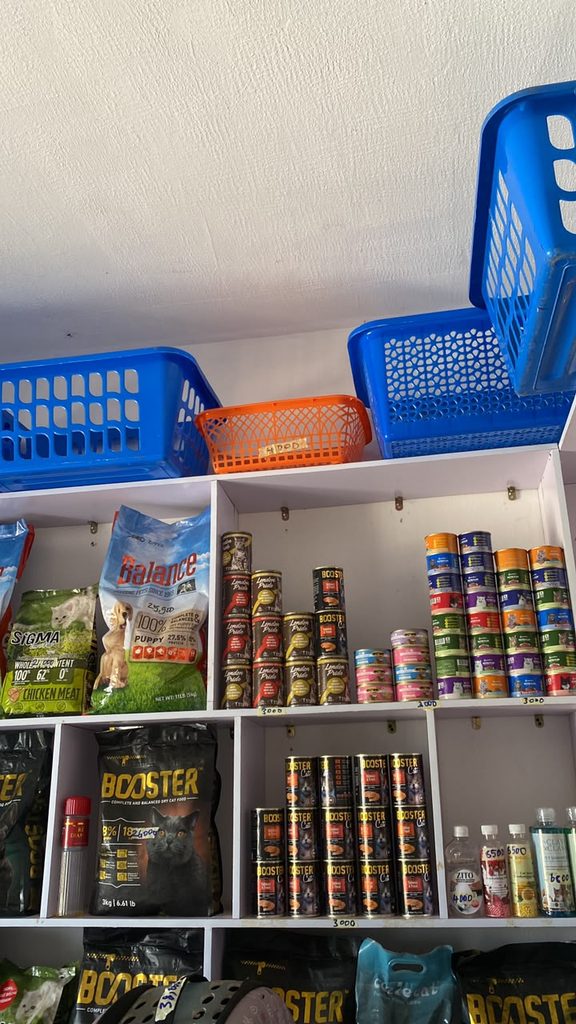
Homemade dog food can offer ingredient control and flexibility, but poorly formulated recipes may expose dogs to nutritional deficiencies, digestive problems and other health complications. A meal containing chicken, rice and vegetables, for example, may look nutritious without providing enough calcium, essential fatty acids, vitamins and trace minerals.
For Nigerian dog owners, the challenge is finding a feeding approach that is safe, affordable, practical and nutritionally appropriate.
This guide explains safe homemade dog food ingredients, foods to avoid, nutritional risks, preparation practices and situations in which commercial dog food may be the better option.
1. Can Dogs Eat Homemade Food in Nigeria?
Yes. Dogs can eat properly prepared homemade food, provided the ingredients are safe and the overall diet meets their nutritional requirements.
Dogs are adaptable animals, and several foods commonly available in Nigerian markets can be included in their diets.
Examples include:
- Plain cooked chicken.
- Properly cooked fish without bones.
- Fully cooked eggs.
- Plain rice.
- Sweet potatoes.
- Carrots.
- Green beans.
- Pumpkin.
- Other suitable cooked vegetables.
However, these foods should not automatically be considered a complete diet.
Dogs require appropriate quantities of protein, fats, carbohydrates, vitamins, minerals and water. They also need specific nutrients in appropriate proportions to support healthy bones, muscles, skin, organs and immune function.
A homemade meal containing several nutritious ingredients may still be deficient in essential nutrients.
The World Small Animal Veterinary Association (WSAVA) recommends assessing an individual dog’s nutritional requirements and involving a qualified veterinary nutrition professional when formulating homemade diets.
Therefore, homemade dog food is best approached as a carefully planned nutritional option rather than an opportunity to combine whatever ingredients are available in the kitchen.
2. Safe Homemade Dog Food Ingredients Available in Nigeria
Many Nigerian households have access to ingredients that can be suitable for dogs when properly selected and prepared.
The following foods can be useful components of an appropriately formulated homemade diet.
Chicken
Chicken is a useful source of animal protein and provides amino acids needed for muscle maintenance and tissue repair.
Dog owners can use fresh chicken breast or suitable portions of other chicken meat.
Preparation tips:
- Cook chicken thoroughly.
- Remove all bones before feeding.
- Remove heavily seasoned skin and excess fat.
- Avoid onions, garlic, stock cubes and spicy seasonings.
- Allow the food to cool before serving.
Never give dogs cooked chicken bones. They can splinter and cause choking, digestive obstruction or internal injuries.
Fish
Fish is another potential source of animal protein. Certain fish also provide beneficial fatty acids.
Nigerian markets commonly sell fish varieties such as mackerel and tilapia.
When preparing fish for dogs:
- Cook it thoroughly.
- Remove every visible bone.
- Avoid excessive salt.
- Do not add pepper, seasoning cubes or spicy sauces.
- Avoid fish that has spoiled or been improperly stored.
Fish should not be the only protein source in a homemade diet unless the complete recipe has been professionally formulated to meet the dog’s requirements.
Eggs
Fully cooked eggs provide high-quality protein and several important nutrients.
Boiled eggs or plain scrambled eggs prepared without excessive oil or seasoning can be offered to dogs that tolerate them.
Avoid feeding raw eggs as a routine food choice because of food-safety concerns and the potential for bacterial contamination.
Eggs can be useful additions to a diet, but they do not supply everything a dog needs.
Rice
Plain, thoroughly cooked rice is a digestible carbohydrate source for many dogs.
White rice is often used in simple meals because it is easy to prepare and generally well tolerated.
However, rice should not become the entire meal.
A bowl containing mostly rice with a small amount of meat may provide insufficient protein and other essential nutrients if fed as the dog’s regular diet.
Sweet Potatoes
Plain cooked sweet potatoes can provide carbohydrates, fibre and some vitamins.
They should be:
- Washed properly.
- Peeled when appropriate.
- Cooked until soft.
- Served without butter, sugar, salt or seasoning.
Avoid feeding large quantities because excessive carbohydrate intake can contribute to calorie imbalance.
Pumpkin
Plain cooked pumpkin can provide fibre and may be useful as a small dietary addition for some dogs.
Use fresh, properly cooked pumpkin without added sugar, salt or spices.
Pumpkin is not a treatment for every cause of diarrhoea or constipation. Persistent digestive problems require veterinary assessment.
Carrots
Carrots contain fibre and beta-carotene.
They can be served in small, appropriately sized pieces, either plain and cooked or raw if the dog can chew them safely.
For small dogs, cutting carrots into manageable pieces reduces choking risks.
Green Beans
Plain green beans can provide fibre and some vitamins.
They should be washed and prepared without salt, onions, garlic or seasoning cubes.
Green beans can be included in moderation, but they cannot replace a properly balanced source of essential nutrients.
Other Suitable Vegetables
Depending on the individual dog’s tolerance and the complete recipe, other vegetables may be appropriate.
Examples include:
- Cucumber.
- Zucchini.
- Small amounts of properly cooked broccoli.
- Plain cooked leafy vegetables in appropriate quantities.
Introduce unfamiliar foods gradually and observe your dog’s response.
Important: These ingredients are examples of potentially suitable foods, not a complete homemade dog food recipe. Their inclusion and quantities must be determined by the nutritional needs of the individual dog.
3. Nigerian Foods and Ingredients Dog Owners Should Avoid
Some foods commonly found in Nigerian kitchens can be harmful to dogs.
A food being safe for humans does not mean it is safe for pets.
Onions and Garlic
Onions and garlic can damage red blood cells in dogs and may contribute to anaemia.
Avoid giving dogs:
- Raw onions.
- Cooked onions.
- Onion powder.
- Garlic.
- Garlic seasoning.
- Foods prepared with concentrated onion or garlic ingredients.
These ingredients may be present in stews, soups, meat sauces and seasoning mixtures.
Even when the dog appears to enjoy the food, it should not be included in its regular meals.
Excessively Spicy Foods
Pepper, spicy sauces and heavily seasoned meals can cause digestive irritation in some dogs.
Nigerian dishes prepared with hot pepper, strong seasonings and multiple ingredients are generally unsuitable for dogs.
Prepare pet food separately instead of sharing heavily seasoned family meals.
Stock Cubes and Excess Salt
Stock cubes and seasoning powders may contain substantial amounts of salt, onion, garlic and other ingredients that are inappropriate for dogs.
Excessive salt intake can be dangerous.
Use plain ingredients and avoid adding seasoning cubes to homemade dog food.
Chocolate
Chocolate contains substances that are toxic to dogs.
The severity of poisoning depends on the type of chocolate, amount consumed and the dog’s body weight.
Dark chocolate and cocoa products can be particularly dangerous.
Keep chocolate, cocoa powder and chocolate-containing snacks away from dogs.
Grapes and Raisins
Grapes and raisins can cause serious kidney injury in dogs.
Because the toxic response is unpredictable, there is no established safe amount to intentionally feed.
Do not give grapes, raisins or foods containing them to dogs.
Foods Containing Xylitol
Xylitol is an artificial sweetener found in some sugar-free products, chewing gum and other manufactured foods.
It can cause dangerous drops in blood sugar and potentially severe liver injury in dogs.
Check ingredient labels before allowing dogs access to human snacks.
Cooked Bones
Cooked bones can break into sharp fragments.
These fragments may cause choking, broken teeth, gastrointestinal obstruction or internal injury.
Remove bones from chicken, fish and other meat before feeding.
Spoiled Food and Mouldy Leftovers
Food that has remained unrefrigerated for too long or has developed mould should never be given to dogs.
Spoiled ingredients can contain harmful microorganisms or toxins.
Do not assume that dogs can safely eat food simply because they are less selective than humans.
The ASPCA and Cornell University College of Veterinary Medicine identify several of these foods as important poisoning risks.
If your dog consumes a potentially toxic ingredient, contact a veterinarian promptly. Do not wait for symptoms or attempt to induce vomiting without professional instructions.
4. Nutritional Risks of Homemade Dog Food
One of the biggest mistakes dog owners make is assuming that a combination of meat, rice and vegetables automatically creates a balanced diet.
Unfortunately, this is not how canine nutrition works.
A healthy dog requires a specific combination of nutrients, and deficiencies may develop gradually when an incomplete recipe is fed repeatedly.
Calcium and Phosphorus Imbalance
Calcium and phosphorus are essential for bone development, muscle function and several normal body processes.
Meat contains phosphorus but generally does not provide enough calcium to balance a meat-heavy homemade diet.
This is particularly concerning for growing puppies.
An inappropriate calcium-to-phosphorus balance can interfere with normal skeletal development and contribute to bone abnormalities.
Simply adding crushed eggshells is not a reliable solution because the correct quantity depends on the entire recipe and the dog’s nutritional requirements.
Inadequate Protein and Essential Amino Acids
Protein provides amino acids required for muscle maintenance, tissue repair, enzymes and other important functions.
Although meat, fish and eggs contain protein, the quantity and quality of protein in a homemade diet must be evaluated alongside the dog’s overall energy and nutrient requirements.
A diet containing too little suitable protein may not support normal health.
Essential Fatty Acid Deficiency
Dogs require essential fatty acids to support skin health, coat condition, cell membranes and other normal biological functions.
A homemade diet containing very little appropriate fat may fail to provide enough essential fatty acids.
However, adding large amounts of cooking oil is not the answer.
The type and quantity of fat must be appropriate for the dog’s energy requirements and complete nutritional formulation.
Vitamin and Mineral Deficiencies
Homemade diets can be deficient in important nutrients, including:
- Zinc.
- Copper.
- Iodine.
- Vitamin D.
- Vitamin E.
- Certain B vitamins.
- Other essential minerals and trace nutrients.
Some deficiencies may take months to become obvious.
A dog may initially appear healthy while nutritional imbalances are gradually developing.
Excessive Calories and Obesity
Homemade meals can also contain too many calories.
Excessive portions of rice, fatty meat, cooking oil and treats may contribute to weight gain.
Obesity can increase pressure on joints and is associated with several health problems.
Monitor your dog’s weight and body condition instead of relying on appearance or how much food it requests.
Nutritional Problems in Growing Puppies
Puppies have different nutritional requirements from adult dogs.
Their bodies are developing rapidly, and inappropriate nutrient levels can affect skeletal development and normal growth.
Large-breed puppies require particular attention to controlled growth and appropriate mineral intake.
Do not feed a growing puppy an improvised adult homemade recipe.
Use a complete diet formulated for growth or obtain an individually formulated recipe from a qualified veterinary nutritionist.
5. How to Prepare Homemade Dog Food More Safely
If you prefer preparing food at home, follow basic food-safety practices.
These steps reduce contamination risks, although they do not automatically make the diet nutritionally complete.
Step 1: Purchase Fresh Ingredients
Buy fresh meat, fish, eggs and vegetables from reliable sources.
Check for:
- Unusual smells.
- Signs of spoilage.
- Damaged packaging.
- Mould.
- Poor storage conditions.
Do not use ingredients that appear contaminated or deteriorated.
Step 2: Wash and Prepare Ingredients Properly
Wash vegetables and clean preparation surfaces.
Keep raw meat separate from cooked food to reduce cross-contamination.
Wash your hands, knives, cutting boards and cooking utensils after handling raw animal products.
Step 3: Cook Animal Products Thoroughly
Cook meat, fish and eggs thoroughly.
Avoid using raw meat as a shortcut.
Raw animal products can carry harmful bacteria and parasites, potentially exposing both pets and household members.
Raw diets also create additional hygiene risks when contaminated organisms are shed in a dog’s faeces.
Step 4: Avoid Seasonings
Prepare your dog’s food without:
- Onions.
- Garlic.
- Pepper.
- Stock cubes.
- Excessive salt.
- Spicy sauces.
- Artificial sweeteners.
Plain preparation makes it easier to control ingredients and avoid unnecessary risks.
Step 5: Follow a Professionally Formulated Recipe
This is the most important nutritional step.
A qualified veterinary nutritionist should formulate the recipe according to your dog’s:
- Body weight.
- Age.
- Breed or expected adult size.
- Activity level.
- Reproductive status.
- Health conditions.
- Energy requirements.
The recipe should specify exact ingredient quantities and any required vitamin or mineral supplementation.
Do not randomly substitute ingredients or remove supplements because they appear unnecessary.
Step 6: Store Food Safely
Divide prepared food into suitable portions.
Refrigerate food that will be used soon and freeze portions intended for longer storage.
Use clean, covered containers and avoid leaving cooked meals at room temperature for extended periods, particularly in Nigeria’s warm climate.
Thaw frozen portions safely in the refrigerator rather than leaving them exposed for hours.
Discard food that develops an unusual smell, appearance or texture.
6. Homemade Dog Food vs Commercial Dog Food: Which Is Better?
Neither feeding approach is automatically superior in every situation.
The better option depends on nutritional adequacy, quality control, cost, convenience and the individual dog’s health requirements.
Benefits of Homemade Dog Food
When professionally formulated and correctly prepared, homemade diets may offer several advantages.
Ingredient control: Owners can select specific ingredients and monitor their quality.
Dietary flexibility: A veterinary nutritionist may formulate a recipe around an individual dog’s needs.
Food preferences: Some dogs may find certain home-prepared meals more appealing.
Ingredient transparency: Owners can know exactly what has been included in the meal.
However, these benefits depend on proper formulation and preparation.
Disadvantages of Homemade Dog Food
Homemade feeding also has important limitations.
- Preparing meals regularly requires time.
- Fresh ingredients must be sourced consistently.
- Storage and food hygiene require attention.
- Nutritional supplements may be necessary.
- Ingredients and supplement quantities must be measured accurately.
- Poor substitutions can make a balanced recipe inadequate.
- The overall cost may be higher than expected.
The greatest concern is nutritional inconsistency.
A homemade diet that is suitable today may become unsuitable if ingredients are repeatedly changed without professional guidance.
Benefits of Commercial Dog Food
Commercial dog food can be a practical option because properly formulated products are designed to provide specific nutrient requirements.
Potential advantages include:
- Consistent nutrient composition.
- Convenient storage and serving.
- Feeding instructions.
- Formulation for different life stages.
- Availability of specialised veterinary diets.
- Reduced daily preparation time.
However, not every commercial product is nutritionally complete.
Some products are intended only as treats, toppers or supplementary foods.
Owners should check the nutritional adequacy information rather than judging a product by its packaging or price.
Disadvantages of Commercial Dog Food
Commercial food also has limitations.
- Product quality varies between manufacturers.
- Some products may be unsuitable for particular medical conditions.
- Imported products may be expensive or difficult to obtain consistently.
- Storage conditions can affect product quality.
- Counterfeit, expired or poorly stored products may present risks.
Purchase food from reputable suppliers and check packaging, expiry dates and storage conditions.
Comparison Table
| Consideration | Homemade food | Commercial food |
|---|---|---|
| Ingredient control | High | Depends on product transparency |
| Convenience | Requires preparation | Generally convenient |
| Nutritional consistency | Depends on recipe accuracy | More consistent when properly formulated |
| Cost | Varies with ingredients and supplements | Varies by brand and product |
| Storage | Requires careful refrigeration or freezing | Depends on product type |
| Special dietary needs | Can be individually formulated | Veterinary diets may be available |
| Risk of imbalance | High if improvised | Lower when complete and properly formulated |
Practical recommendation: For many Nigerian dog owners, a reputable, complete and balanced commercial dog food is a convenient everyday option. A professionally formulated homemade diet is a reasonable alternative when the owner can consistently follow the recipe and preparation requirements.
7. How to Choose Good Commercial Dog Food in Nigeria
If you decide to use commercial dog food, do not choose solely because a product is popular or inexpensive.
Evaluate the following factors.
Check the Nutritional Adequacy Statement
Look for a clear indication that the food is complete and balanced for the appropriate life stage.
For products using AAFCO nutritional standards, the label may state that the food meets established nutrient profiles or has been substantiated through feeding trials.
A treat or supplementary food is not necessarily suitable as the dog’s main diet.
Choose According to Life Stage
Dogs have different nutritional needs throughout their lives.
Consider:
- Puppy food for growing dogs.
- Adult maintenance food for healthy adult dogs.
- Appropriate senior nutrition when indicated.
- Veterinary therapeutic diets when prescribed.
A product suitable for adult maintenance may not meet the nutritional requirements of a growing puppy.
Consider Your Dog’s Health
Dogs with kidney disease, diabetes, food allergies, urinary problems or gastrointestinal disorders may require specific dietary management.
Do not assume that an ordinary commercial food or homemade recipe is appropriate for every medical condition.
Consult your veterinarian before making major dietary changes.
Buy From Reliable Sellers
In Nigeria, check that your chosen product is:
- Properly sealed.
- Within its expiry date.
- Free from damaged packaging.
- Stored in suitable conditions.
- Purchased from a reputable pet shop or authorised supplier.
Avoid food sold in suspiciously damaged packaging or products with unclear origins.
Consider Long-Term Affordability
A good feeding plan must be sustainable.
Calculate the actual monthly cost rather than comparing only the purchase price of one bag.
Consider the dog’s daily feeding quantity, nutritional suitability, availability and storage requirements.
A consistent feeding plan is generally more practical than frequently changing foods because of temporary price differences.
8. Special Feeding Considerations for Puppies and Adult Dogs
Feeding Puppies
Puppies require nutrition that supports growth and development.
Their food should be formulated for growth and appropriate for their expected adult size.
Important considerations include:
- Adequate high-quality protein.
- Appropriate energy intake.
- Correct calcium and phosphorus levels.
- Suitable vitamin and mineral concentrations.
- Regular monitoring of growth and body condition.
Do not give puppies large quantities of homemade meat and rice meals without a properly formulated nutritional plan.
Feeding Adult Dogs
Healthy adult dogs generally need a complete diet appropriate for their body condition and activity level.
An active working dog may need more energy than a sedentary companion dog.
Monitor body weight regularly and adjust portions with veterinary guidance when necessary.
Feeding Pregnant and Nursing Dogs
Pregnant and nursing dogs have increased nutritional demands.
A diet intended for ordinary adult maintenance may not be suitable during these stages.
Ask your veterinarian to recommend an appropriate complete diet or formulate a suitable homemade alternative.
Feeding Senior Dogs
Older dogs may experience changes in activity, muscle condition, appetite and health.
Some require dietary adjustments because of underlying medical conditions.
Age alone does not mean every senior dog needs a low-protein diet.
Nutritional decisions should be based on the individual dog’s health and veterinary assessment.
9. Common Mistakes Nigerian Dog Owners Should Avoid
Even owners who genuinely want to provide good nutrition can make feeding mistakes.
Feeding Only Rice and Meat
Rice and meat may provide energy and protein, but they do not automatically provide all the nutrients dogs require.
Feeding this combination as the sole long-term diet can cause nutritional deficiencies.
Sharing Family Meals
Nigerian family meals may contain onions, garlic, pepper, stock cubes, excessive salt and oils.
Instead of giving dogs leftover stew or seasoned rice, prepare their food separately.
Adding Supplements Without Veterinary Advice
More vitamins and minerals do not automatically mean better nutrition.
Excessive supplementation can also be harmful.
Use supplements only when they are part of a professionally formulated diet or recommended by a veterinarian.
Changing Ingredients Frequently
Repeatedly changing ingredients can make nutritional consistency difficult.
It can also complicate the identification of food-related digestive problems.
Follow a consistent recipe and discuss any substitutions with the professional who formulated it.
Ignoring Weight Changes
Gradual weight gain or weight loss can indicate feeding problems or underlying illness.
Monitor your dog’s body condition, appetite and weight.
Seek veterinary advice when significant changes occur.
Assuming Homemade Food Is Always Cheaper
Homemade food may seem inexpensive because owners calculate the cost of rice and meat alone.
However, a properly formulated diet may also require supplements, additional ingredients, storage facilities and preparation time.
Compare the total cost of both feeding approaches before making a long-term decision.
10. When Should You Consult a Veterinarian About Your Dog’s Diet?
Veterinary guidance is especially important when:
- You want to feed homemade food as your dog’s primary diet.
- Your dog is still growing.
- Your dog is pregnant or nursing.
- Your dog has a chronic medical condition.
- Your dog has repeated vomiting or diarrhoea.
- Your dog is losing weight unexpectedly.
- Your dog has persistent skin or digestive problems.
- You suspect a nutritional deficiency.
- You want to change from commercial food to homemade feeding.
A veterinarian can assess your dog’s general health, body condition and nutritional requirements.
For long-term homemade feeding, request a recipe formulated by a qualified veterinary nutritionist.
If your dog has eaten chocolate, grapes, raisins, onions, garlic or a product containing xylitol, contact a veterinarian immediately. Do not wait for symptoms to appear.
Frequently Asked Questions About Homemade Dog Food in Nigeria
1. Can I feed my dog rice every day?
Rice can be included in an appropriately formulated diet, but it should not be the only food your dog eats. A diet consisting mainly of rice may lack essential protein, fats, vitamins and minerals.
2. Can Nigerian dogs eat boiled chicken and rice?
Dogs can generally eat plain, thoroughly cooked chicken and rice. However, chicken and rice alone are not nutritionally complete for long-term feeding. A balanced diet requires additional nutrients in appropriate quantities.
3. Can I feed my dog fish from a Nigerian market?
Yes, certain properly cooked fish can be suitable for dogs. Remove all bones, avoid seasoning and ensure the fish is fresh. Fish should form part of an appropriately balanced diet rather than being the only food.
4. Can dogs eat boiled eggs?
Most healthy dogs can eat fully cooked eggs in appropriate portions. Eggs provide protein and other nutrients, but they should not replace a complete diet.
5. Is homemade dog food better than commercial dog food?
Not necessarily. A professionally formulated homemade diet can be appropriate, but an improvised recipe may be nutritionally deficient. A reputable, complete and balanced commercial food is often a more convenient choice for everyday feeding.
6. Can I feed my puppy homemade food?
Yes, but only when the diet is properly formulated for growth. Puppies have specific nutritional requirements, particularly concerning energy, calcium and phosphorus. An improvised adult recipe is not suitable.
7. Can dogs eat yam?
Plain, thoroughly cooked yam may be tolerated by many dogs in small quantities. It should be served without salt, pepper, butter or seasoning. However, yam is primarily a carbohydrate source and cannot provide a complete diet.
8. Can dogs eat beans?
Some properly cooked beans may be tolerated in small quantities, but they can cause gas and digestive discomfort in some dogs. Avoid raw or undercooked beans and heavily seasoned preparations. Beans should not replace appropriate animal or other protein sources in a formulated diet.
9. Can I feed my dog Nigerian stew?
Ordinary Nigerian stew is generally unsuitable because it may contain onions, garlic, pepper, salt, seasoning cubes and excess oil. Prepare your dog’s meals separately using appropriate plain ingredients.
10. How many times should I feed my dog daily?
Many healthy adult dogs do well with two meals daily. Puppies usually require more frequent meals depending on their age and size. Your veterinarian can recommend an appropriate feeding schedule for your dog.
11. How do I know if my homemade dog food is balanced?
You cannot reliably determine nutritional completeness by looking at the food or observing whether your dog enjoys eating it.
The recipe should be professionally formulated using appropriate nutritional standards, exact ingredient quantities and any required supplementation.
12. Can I mix commercial dog food with homemade food?
It may be possible, but additional foods can change the overall nutrient and calorie balance.
Keep unbalanced extras limited and discuss regular mixing with your veterinarian, particularly if your dog has a medical condition.
Conclusion: Choose Nutrition That Supports Your Dog’s Long-Term Health
Homemade dog food can be a useful feeding option for Nigerian dog owners, but it requires more than combining rice, meat, fish and vegetables.
The ingredients must be safe, properly prepared and combined in quantities that meet the dog’s nutritional requirements.
Foods such as plain chicken, cooked fish, eggs, rice, sweet potatoes, pumpkin and carrots can be useful components of a suitable diet. However, they do not automatically provide complete nutrition.
For many households, a reputable commercial dog food labelled as complete and balanced for the appropriate life stage offers a convenient and consistent feeding solution.
If you prefer preparing your dog’s meals at home, work with a qualified veterinary nutritionist to obtain an appropriate recipe and follow it accurately.
Ultimately, the best feeding approach is one that provides balanced nutrition, maintains a healthy body condition, fits your dog’s individual needs and can be sustained safely over time.
Your dog’s health depends not just on what goes into the food bowl, but also on whether the entire diet provides the nutrients needed for a healthy life.
Reliable veterinary and policy sources consulted
These are the main references supporting the article. I recommend retaining the relevant citations as clickable references within the published content.
Sources
1. World Small Animal Veterinary Association (WSAVA)
Supports individual nutritional assessment and professional evaluation of homemade diets.
2. American Animal Hospital Association (AAHA)
Explains why many homemade recipes fail to provide complete and balanced nutrition.
3. Merck Veterinary Manual
Dog and Cat Foods – Management and Nutrition
Discusses commercial and homemade diets, nutritional formulation and raw-food risks.
4. VCA Animal Hospitals
Explains the risks of nutritional deficiencies and the importance of following professionally formulated recipes.
5. British Small Animal Veterinary Association (BSAVA)
Supports complete and balanced nutrition and professional advice for homemade diets.
Food safety sources
6. Cornell University College of Veterinary Medicine
Covers toxic foods, including chocolate, onions, garlic, grapes, raisins and xylitol.
7. ASPCA Animal Poison Control
People Foods to Avoid Feeding Your Pets
Supports the food-safety warnings.
8. US Food and Drug Administration (FDA)
Complete and Balanced Pet Food
Explains nutritional adequacy statements and the difference between complete foods and supplementary products.
9. Association of American Feed Control Officials (AAFCO)
Explains how to assess nutritional adequacy statements and life-stage suitability.
Reviewed by Dr. Job Mamman
Leave a Reply