
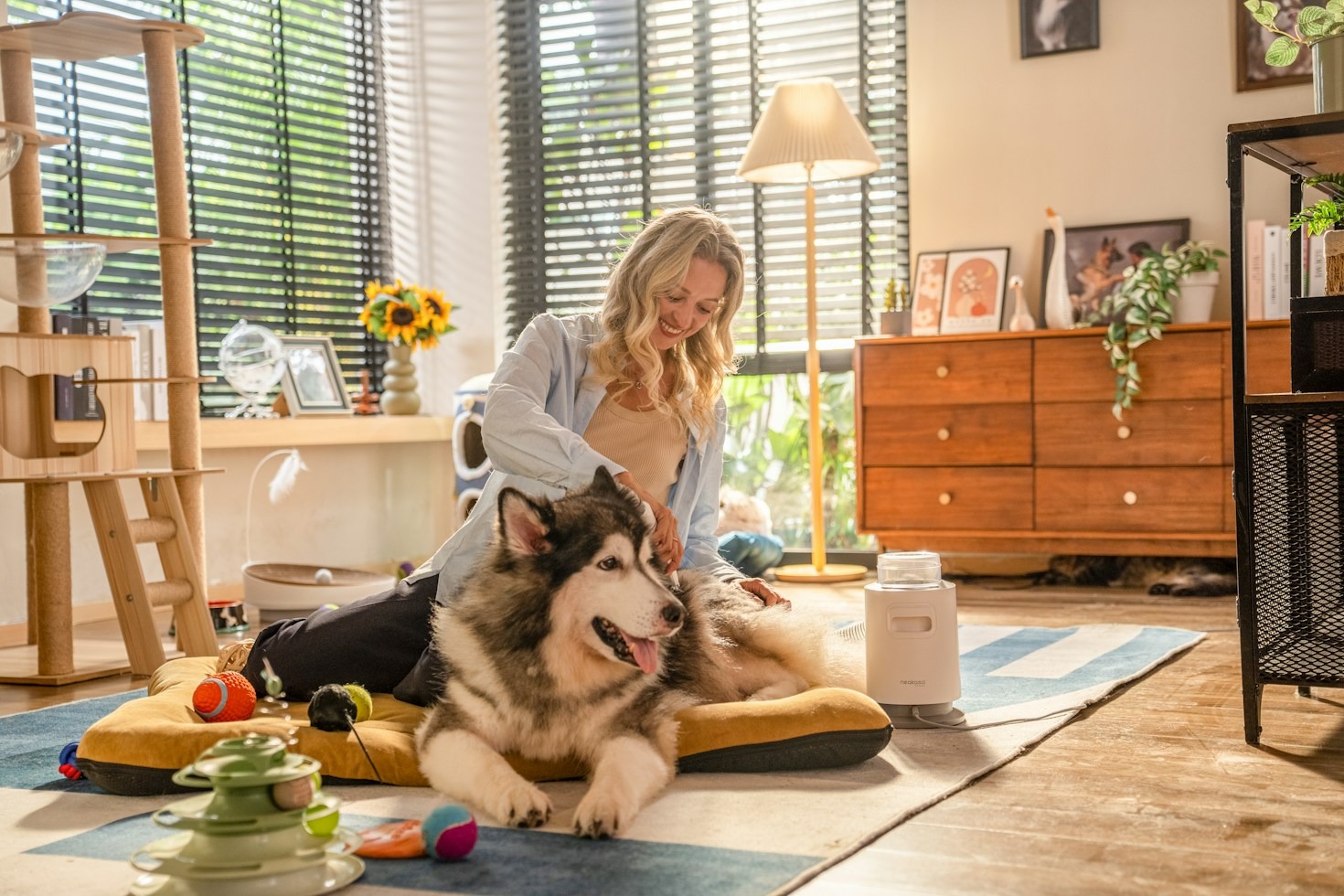
Essential Grooming Habits Every Animal Guardian Should Practice
Written by Dr. Mamman Job
Registered Veterinary Surgeon | Veterinary Council of Nigeria
View author profile
Grooming is about much more than making a pet look clean and tidy.
Regular grooming gives you an opportunity to notice changes in your animal’s coat, skin, ears, paws, nails, and overall condition. It can also help prevent mats, reduce discomfort, keep certain routine-care tasks manageable, and strengthen the trust between you and your pet.
The right pet grooming habits will depend on the animal, breed, coat type, age, lifestyle, and health. A short-haired cat may need only occasional brushing, while a long-haired dog can require much more frequent coat care. Some pets tolerate grooming easily, while others need to be introduced to it gradually.
The goal isn’t to turn every grooming session into a professional salon appointment.
It’s to make basic care a normal, calm part of your pet’s routine.
Why Good Pet Grooming Habits Matter
A pet’s coat and skin can tell you a surprising amount about its general condition.
Regular grooming can help you notice things such as:
- Areas of tangled or matted fur
- Fleas or other external parasites
- Skin irritation or unusual redness
- Lumps or bumps
- Changes in coat texture
- Broken nails
- Sore paws
- Ear discharge or odor
- Changes in grooming behavior
Grooming also provides regular opportunities for gentle handling.
A dog that becomes accustomed to having its paws touched may find nail trimming easier later. A cat that learns that brushing is safe may be less resistant to routine coat care.
However, grooming should never be used as a substitute for veterinary care. If you discover a concerning change, speak with a veterinarian rather than attempting to diagnose the problem yourself.
Build a Grooming Routine Around Your Pet
There isn’t one grooming schedule that works for every animal.
Before deciding how often to brush, bathe, or trim your pet, consider its individual needs.
Consider the coat type
Long, thick, curly, or easily tangled coats generally require more maintenance than short coats.
Some breeds may also need professional clipping or specialized grooming.
Consider lifestyle
An indoor cat may stay relatively clean, while a dog that regularly plays outdoors may accumulate dirt, mud, or debris.
Pets that spend time outside may also require closer attention to paws, ears, and coats.
Consider age and mobility
Older pets may have difficulty grooming themselves as effectively as they once did.
They may also have arthritis or other conditions that make certain positions uncomfortable.
Be especially gentle with senior animals and discuss significant changes in grooming or mobility with your veterinarian.
Brushing: One of the Most Useful Grooming Habits
Regular brushing is one of the simplest grooming practices to establish.
For many pets, brushing removes loose hair, helps prevent some tangles, and gives you a chance to inspect the skin and coat.
Choose the right brush
Not every brush is suitable for every coat.
A slicker brush, bristle brush, comb, or undercoat tool may be appropriate depending on the animal and coat.
If you’re unsure, ask a professional groomer or veterinarian which type is suitable for your pet.
Using the wrong tool—or brushing too aggressively—can irritate the skin.
Make brushing comfortable
Don’t immediately attempt a long grooming session.
Start with a few gentle strokes in an area your pet is comfortable having touched. Reward calm behavior and stop before your pet becomes overwhelmed.
Gradually increase the length of the sessions.
This is especially important with puppies, kittens, newly adopted pets, and animals that have had unpleasant grooming experiences.
Prevent and Manage Mats
Mats are more than a cosmetic problem.
Tangled fur can pull on the skin and become increasingly uncomfortable as it tightens.
Check areas where mats commonly develop, including behind the ears, around the legs, beneath the collar or harness, and around the tail.
If a mat is tightly attached to the skin, don’t aggressively pull at it.
Trying to cut close to the skin with household scissors can result in serious injury because it can be difficult to tell where the fur ends and the skin begins.
Severe matting is best handled by a professional groomer or veterinarian.
Bathing: Less Can Be More
Many pets don’t need frequent full baths.
Dogs may require bathing when they become dirty, develop an unpleasant odor, or have a veterinary reason for more frequent bathing. Cats generally maintain their coats through self-grooming and don’t usually need routine bathing unless there is a specific reason.
When bathing a dog, use a product specifically formulated for dogs.
Human shampoos aren’t automatically appropriate because pets have different skin characteristics.
Make bath time easier
Prepare everything before bringing your dog into the bathing area.
Have the shampoo, towels, suitable water temperature, and a secure surface ready.
Keep the experience calm and avoid getting water or shampoo into the eyes and ears.
Rinse thoroughly so that shampoo residue doesn’t remain against the skin.
If your pet becomes extremely frightened during bathing, don’t turn the process into a struggle. Ask your veterinarian or a qualified groomer about safer alternatives.
Nail Care Should Be a Regular Habit
Overgrown nails can become uncomfortable and may affect the way a pet walks.
Some dogs naturally wear their nails down through regular activity, but this isn’t guaranteed.
Cats also need appropriate claw-care opportunities, particularly scratching surfaces that allow them to maintain their claws naturally.
Introduce nail trimming gradually
Don’t expect a pet to accept having every nail clipped during its first session.
Start by gently touching a paw.
Reward your pet.
Later, briefly handle an individual toe.
Eventually, introduce the sound and sensation of the clippers or grinder without immediately performing a full trim.
Short, successful sessions can build confidence.
If you’re uncomfortable trimming nails yourself, a veterinarian or professional groomer can help.
Check Your Pet’s Ears Regularly
Ear care should be based on the individual animal.
Some pets, particularly those with certain ear shapes or recurring ear problems, may need more attention than others.
During routine handling, look for obvious changes such as:
- Unusual odor
- Excessive discharge
- Redness
- Swelling
- Frequent scratching
- Repeated head shaking
- Sensitivity when the ear is touched
Don’t insert cotton swabs or other objects deeply into the ear canal.
If your pet has persistent ear problems, consult a veterinarian. Repeated cleaning without addressing an underlying problem may not solve the issue.
Don’t Forget Dental Care
Dental hygiene is one of the grooming habits that is easy to overlook.
Dogs and cats can develop plaque, tartar, gum inflammation, and dental disease.
Regular brushing with a pet-specific toothbrush and toothpaste can be useful when introduced gradually.
Never use human toothpaste unless a veterinarian specifically recommends a product for your animal. Some human toothpaste ingredients can be unsafe for pets.
If your pet has bad breath, difficulty eating, excessive drooling, bleeding gums, or other mouth changes, arrange a veterinary examination.
Dental disease can be painful even when an animal doesn’t obviously show discomfort.
Make Paw Checks Part of the Routine
Paws come into contact with many surfaces, so they’re worth checking regularly.
Look between the toes and around the pads for:
- Dirt or debris
- Cuts
- Cracked pads
- Swelling
- Foreign objects
- Excessive licking
After outdoor walks, particularly in muddy or dirty conditions, gently clean the paws if necessary.
In very hot weather, be aware that some walking surfaces can become dangerously hot for dogs.
If your pet suddenly starts limping or persistently licking one paw, don’t assume it is simply dirty. Examine it carefully and contact a veterinarian if you find an injury or the problem continues.
Grooming Is Also a Bonding Opportunity
Grooming doesn’t have to feel like a chore.
When handled patiently, it can become a predictable one-on-one activity.
Watch your pet’s body language.
Signs that your pet may be becoming uncomfortable include trying to escape, stiffening, growling, hissing, repeated lip licking, flattening the ears, or becoming increasingly restless.
Don’t punish these signals.
They’re communication.
Instead, pause and consider how you can make the next session easier.
For example, if your dog can comfortably tolerate two minutes of brushing but becomes stressed after ten minutes, several short sessions may be more productive than one long session.
Create a Simple Weekly Grooming Checklist
A routine makes it easier to remember basic care.
Daily
Depending on your pet:
- Observe general appearance and behavior
- Check food and water intake
- Notice unusual scratching or licking
- Look for obvious changes in the coat or skin
- Wipe away visible dirt when appropriate
Several times a week
- Brush according to coat needs
- Check paws
- Look over the ears
- Inspect areas where tangles commonly form
Regularly
- Trim nails when needed
- Brush teeth as part of an established dental routine
- Bathe when appropriate for the individual pet
- Arrange professional grooming when the coat requires it
The exact schedule should be adjusted to your pet rather than followed as a rigid calendar.
Common Mistakes to Avoid
Using human grooming products
Human shampoos, toothpaste, and other personal-care products aren’t automatically safe for animals.
Use products designed specifically for your pet’s species and follow veterinary guidance when needed.
Waiting until the coat is severely tangled
Mats are much easier to prevent than remove.
Regular brushing can help identify tangles before they become difficult and painful to handle.
Forcing grooming
Holding an extremely frightened animal down and continuing the session can make future grooming more difficult.
Break the process into smaller steps and seek professional assistance when necessary.
Cutting mats with household scissors
This can be dangerous because the skin may be hidden beneath the mat.
Severe or tight mats should be handled by an experienced groomer or veterinarian.
Ignoring changes in the skin or coat
A new bald patch, persistent itching, unusual odor, skin lesion, or dramatic change in grooming behavior may indicate an underlying problem.
Don’t assume every change is simply a grooming issue.
Treating every pet the same
A short-haired cat, a long-haired dog, and a curly-coated dog can have completely different grooming requirements.
Breed, coat, age, health, and lifestyle all matter.
When Professional Grooming Is the Better Choice
Some grooming tasks are better left to experienced professionals.
Consider professional help when your pet has:
- Severe matting
- A difficult or highly sensitive coat
- Strong resistance to grooming
- Skin conditions requiring special handling
- Mobility problems
- A grooming history that causes significant fear
- A coat that requires specialized clipping
A professional groomer can also demonstrate appropriate brushing and handling techniques.
If your pet becomes aggressive, panicked, or unusually distressed during grooming, discuss the situation with your veterinarian rather than simply trying to overpower the animal.
When Grooming Problems Need Veterinary Attention
Grooming can reveal health problems, but grooming itself shouldn’t be used to treat unexplained symptoms.
Contact your veterinarian if you notice:
- Persistent itching
- Sudden hair loss
- Open wounds
- Significant skin redness
- Repeated ear problems
- Unusual lumps
- Severe dandruff or coat changes
- Pain when touched
- Persistent licking or chewing
- Sudden changes in grooming behavior
Cats, in particular, can hide illness well. A cat that suddenly stops grooming itself or begins grooming excessively deserves attention.
Frequently Asked Questions (FAQ)
How often should I groom my pet?
It depends on the species, breed, coat type, age, lifestyle, and individual needs. Some pets benefit from daily brushing, while others may only need brushing a few times a week or less.
Do indoor pets still need grooming?
Yes. Indoor living doesn’t eliminate the need for coat, nail, dental, ear, or general health care.
Indoor cats may need less frequent bathing than dogs, but they still benefit from appropriate grooming and regular health checks.
How often should I bathe my dog?
There is no single schedule suitable for every dog. Bathing needs depend on the coat, lifestyle, skin condition, and veterinarian or groomer recommendations.
Over-bathing can sometimes contribute to skin irritation, so avoid bathing simply because a calendar says it’s time.
Can I use human shampoo on my dog or cat?
It’s generally better to use products specifically formulated for the appropriate animal. Human products aren’t designed with an animal’s skin needs in mind.
What should I do if my pet hates grooming?
Start with very short sessions and reward calm behavior. Introduce grooming tools gradually and avoid forcing the animal through a long session.
If fear or aggression is severe, seek help from a veterinarian or qualified professional.
How can I make nail trimming easier?
Introduce paw handling before attempting to trim nails. Touch the paws, reward your pet, and gradually introduce the trimming tool.
If you’re nervous about clipping nails, have a veterinarian or groomer demonstrate the technique.
Is professional grooming necessary?
Not for every pet. Some animals can receive most routine grooming at home, while others have coats or behavioral needs that make professional grooming useful.
The important thing is that the animal receives safe, appropriate care.


Conclusion: Make Grooming a Healthy Habit
Good pet grooming habits aren’t about keeping your animal looking perfect.
They’re about comfort, cleanliness, preventive care, and learning what is normal for your individual pet.
Regular brushing, appropriate bathing, nail care, dental hygiene, ear and paw checks, and gentle handling can all become manageable parts of everyday life.
Start slowly, use species-appropriate products, and keep sessions positive. Don’t force a frightened animal through a difficult grooming procedure, and don’t hesitate to seek help when a task is beyond your experience.
Most importantly, use grooming as an opportunity to notice changes. A new lump, irritated patch of skin, unusual odor, damaged nail, or sudden change in grooming behavior may be worth discussing with a veterinarian.
The best grooming routine is one that fits your pet’s actual needs and can be maintained consistently.
A few minutes of thoughtful care today can make grooming easier tomorrow—and help your companion stay comfortable along the way.
Leave a Reply