
Common Dog Diseases in Nigeria: Symptoms, Prevention and When to See a Vet
Written by Dr. Mamman Job
Registered Veterinary Surgeon | Veterinary Council of Nigeria
View author profile
Owning a dog in Nigeria comes with many responsibilities, and protecting your pet’s health is one of the most important. Whether you keep a German Shepherd in your compound, a local Nigerian dog in your family home, or a small companion breed in an apartment, your dog can be exposed to infections and other health conditions that require proper attention.
Nigeria’s warm climate, outdoor environments, exposure to ticks, contact with other animals and varying sanitation conditions can create health challenges for dogs. Some illnesses develop gradually, while others can become serious within a short period.
Unfortunately, many dog owners do not recognise the early warning signs. A dog that suddenly refuses food, becomes unusually quiet, vomits repeatedly or develops pale gums may be experiencing more than a minor health problem.
Understanding common dog diseases in Nigeria can help you recognise concerning changes, take preventive measures and seek veterinary assistance before a condition becomes more difficult to manage.
This guide explains important diseases affecting dogs, their early symptoms, possible causes, prevention methods and situations that require immediate veterinary attention.
Important veterinary note: This article provides general educational information. Symptoms alone cannot confirm a diagnosis, and treatment must be based on a veterinary examination and appropriate tests.
Why Dog Owners in Nigeria Should Understand Common Canine Diseases
Dogs encounter different health risks depending on their environment, vaccination history, age, lifestyle and contact with other animals.
For example, a puppy that has not completed its vaccination programme may be particularly vulnerable to canine parvovirus. A dog that frequently visits grassy areas or lives in a tick-infested compound may face a greater risk of tick-borne infections.
Other important concerns include:
- Exposure to contaminated food, water and environments.
- Contact with infected dogs and their bodily secretions.
- Tick and flea infestations.
- Exposure to rodents and environments contaminated by animal urine.
- Inadequate vaccination and parasite prevention.
- Delayed veterinary attention when symptoms first appear.
Not every dog in Nigeria will develop these conditions. However, understanding the risks makes it easier to protect your pet.
1. Canine Parvovirus
Canine parvovirus, commonly called parvo, is one of the most concerning infectious diseases in puppies and inadequately vaccinated dogs.
It is caused by a highly contagious virus that attacks rapidly dividing cells, particularly those in the intestinal lining and bone marrow.
The infection can cause severe gastrointestinal damage, dehydration and complications involving the immune system.
Early warning signs of parvovirus
The symptoms may initially appear similar to an ordinary stomach upset.
Watch for:
- Sudden loss of appetite.
- Unusual tiredness or weakness.
- Vomiting.
- Diarrhoea, which may contain blood.
- Abdominal discomfort.
- Fever or unusually low body temperature.
- Signs of dehydration, such as dry or sticky gums.
Bloody diarrhoea is not present in every infected dog. Therefore, do not wait for blood to appear before seeking veterinary attention.
How does parvovirus spread?
The virus spreads mainly through contact with infected faeces or contaminated environments and objects.
It can be carried into a compound on footwear, equipment and other contaminated surfaces.
Puppies and dogs without adequate vaccination protection are particularly vulnerable.
How can you prevent parvovirus?
- Follow a veterinarian-recommended puppy vaccination programme.
- Avoid exposing incompletely vaccinated puppies to potentially contaminated environments.
- Clean contaminated areas using a disinfectant effective against canine parvovirus.
- Remove dog faeces promptly.
- Avoid sharing contaminated bowls and equipment.
- Isolate a dog suspected of infection from other dogs.
When should you see a vet?
Seek veterinary attention immediately if your dog develops vomiting and diarrhoea, particularly if it is a puppy or has an uncertain vaccination history.
Parvovirus is a medical emergency because dehydration and other complications can progress quickly.
Treatment generally involves supportive veterinary care, including fluid replacement, nutritional support and management of complications.
There is no safe home remedy that reliably treats parvovirus.
2. Canine Distemper
Canine distemper is another serious viral infection that can affect several body systems.
It may involve the respiratory tract, digestive system, eyes and nervous system.
Young dogs and animals without adequate vaccination protection are at particular risk.
Early symptoms of canine distemper
The disease may begin with relatively general symptoms, including:
- Fever.
- Reduced appetite.
- Unusual tiredness.
- Discharge from the eyes or nose.
- Coughing.
- Vomiting or diarrhoea.
As the disease progresses, some dogs develop neurological problems.
These may include:
- Involuntary muscle twitching.
- Difficulty walking.
- Poor coordination.
- Head tilting.
- Seizures.
- Weakness or paralysis.
Not every infected dog develops all these symptoms.
How does distemper spread?
Distemper spreads mainly through respiratory droplets and contact with secretions from infected animals.
Dogs may also continue shedding the virus after appearing to recover.
Prevention of canine distemper
Vaccination is the most effective preventive measure.
Owners should:
- Ensure puppies receive their recommended vaccination series.
- Maintain appropriate booster vaccinations.
- Avoid unnecessary contact with sick or unvaccinated dogs.
- Seek veterinary advice when vaccination records are incomplete.
- Isolate dogs suspected of infection.
When should you see a vet?
Contact a veterinarian promptly if your dog develops fever together with respiratory or digestive symptoms.
Seizures, muscle twitching, severe weakness or difficulty walking require urgent veterinary attention.
There is no specific treatment that eliminates canine distemper virus. Veterinary management focuses on supportive care and treating complications.
3. Rabies
Rabies is a particularly important disease in Nigeria because it threatens both animal and human health.
It is a viral infection that affects the central nervous system. Infected animals can transmit the virus through saliva, most commonly through bites.
Once clinical signs develop, rabies is almost invariably fatal.
Possible warning signs of rabies in dogs
Symptoms may vary, but concerning changes include:
- Unusual aggression or behavioural changes.
- Unexplained restlessness.
- Excessive salivation.
- Difficulty swallowing.
- Abnormal vocalisation.
- Weakness or paralysis.
- Unusual reactions to people or other animals.
Some infected dogs develop an aggressive form of the disease, while others develop a paralytic form.
Importantly, not every aggressive dog has rabies, and a dog does not need to display aggression to be suspected of infection.
How can Nigerian dog owners prevent rabies?
- Vaccinate dogs against rabies according to applicable Nigerian requirements and veterinary advice.
- Keep vaccination records.
- Avoid allowing dogs to roam freely.
- Prevent unnecessary contact with stray or unfamiliar animals.
- Seek veterinary assistance following possible exposure.
- Report suspected rabies cases to appropriate veterinary or public-health authorities.
What should you do if a dog bites someone?
Treat every possible rabies exposure seriously.
If a person is bitten or scratched by a potentially rabid animal:
- Immediately wash the wound with soap and plenty of running water for at least 15 minutes.
- Seek medical attention immediately.
- Allow a healthcare professional to assess the need for human rabies post-exposure prophylaxis.
- Do not wait for the person or animal to develop symptoms.
Do not attempt to handle or capture a suspected rabid dog yourself.
Rabies vaccination of dogs is an essential part of protecting families and communities.
4. Canine Ehrlichiosis
Ehrlichiosis is a tick-borne bacterial infection caused by organisms belonging to the genus Ehrlichia.
Canine monocytic ehrlichiosis is associated with Ehrlichia canis and is transmitted mainly through infected brown dog ticks.
Ticks are an important concern for Nigerian dog owners because they can survive in kennels, cracks, compounds and other warm environments.
Early symptoms of ehrlichiosis
Some infected dogs initially show mild or nonspecific symptoms.
Possible warning signs include:
- Fever.
- Loss of appetite.
- Weakness.
- Weight loss.
- Swollen lymph nodes.
- Unusual bruising.
- Nosebleeds.
- Small red or purple spots on the skin or gums.
In more serious or chronic cases, the disease may affect the bone marrow and cause significant blood abnormalities.
Prevention of ehrlichiosis
The best preventive approach is consistent tick control.
Practical measures include:
- Inspecting your dog’s coat regularly.
- Using veterinarian-recommended tick preventives.
- Cleaning kennels and sleeping areas.
- Maintaining a clean compound.
- Checking the ears, neck, armpits and spaces between the toes.
- Seeking veterinary advice if ticks are accompanied by illness.
When should you see a vet?
Arrange prompt veterinary assessment if your dog develops fever, weakness, unexplained bruising or bleeding after tick exposure.
A veterinarian may recommend a complete blood count, blood smear examination, antibody testing or PCR testing.
Ehrlichiosis is treatable in many cases, but the treatment choice and duration must be determined by a veterinarian.
5. Canine Babesiosis
Babesiosis is a tick-borne disease caused by microscopic parasites of the genus Babesia.
These parasites infect red blood cells and can cause their destruction, resulting in anaemia.
The severity varies depending on the parasite species, the dog’s condition and other factors.
Early warning signs of babesiosis
Look out for:
- Fever.
- Weakness.
- Loss of appetite.
- Pale gums.
- Reduced activity.
- Yellowing of the eyes or gums.
- Dark or reddish-brown urine.
- Weight loss.
Pale gums and dark urine are particularly concerning because they may indicate significant red blood cell destruction.
How is babesiosis prevented?
Tick prevention is essential.
Dog owners should:
- Use appropriate veterinary-recommended tick-control products.
- Inspect their dogs regularly.
- Maintain clean kennels.
- Avoid allowing tick infestations to develop.
- Remove ticks carefully when found.
- Seek veterinary attention when a dog becomes unwell after tick exposure.
When should you see a vet?
Seek urgent attention if your dog develops pale gums, severe weakness, collapse or dark urine.
Diagnosis may involve blood smear examination and other laboratory tests.
Treatment depends on the Babesia species and severity of illness. Some dogs require additional supportive care, and severely anaemic patients may need a blood transfusion.
6. Leptospirosis
Leptospirosis is a bacterial infection caused by pathogenic organisms belonging to the genus Leptospira.
It is important because it can affect both dogs and humans.
Dogs may become exposed through contact with water, soil or other environments contaminated by the urine of infected animals, including rodents.
This makes rodent control and environmental hygiene important parts of responsible dog ownership.
Early symptoms of leptospirosis
Symptoms can vary considerably.
Possible signs include:
- Fever.
- Vomiting.
- Loss of appetite.
- Weakness.
- Abdominal discomfort.
- Increased or reduced urination.
- Excessive thirst.
- Yellowing of the eyes or gums.
- Muscle pain.
In severe cases, the infection can cause kidney injury, liver problems and other complications.
How can you prevent leptospirosis?
- Prevent dogs from drinking stagnant or potentially contaminated water.
- Control rodents around the home.
- Store dog food in secure containers.
- Maintain good environmental sanitation.
- Ask your veterinarian whether an appropriate leptospirosis vaccine is available and recommended for your dog’s circumstances.
Vaccine selection should consider locally relevant strains because protection can vary between leptospiral serovars.
When should you see a vet?
Seek veterinary attention if your dog develops fever, vomiting, unusual thirst, changes in urination or jaundice.
If leptospirosis is suspected, avoid direct contact with the dog’s urine. Wear gloves when cleaning contaminated areas and wash your hands thoroughly.
People who may have been exposed and develop concerning symptoms should contact a healthcare professional.
7. Intestinal Worm Infestations
Intestinal parasites are another important health concern in dogs.
Common examples include roundworms, hookworms, whipworms and tapeworms.
Dogs may become infected through contaminated environments, ingestion of parasite eggs or larvae, infected intermediate hosts, or other transmission routes depending on the parasite.
Puppies can be particularly vulnerable.
Signs of intestinal worms
Watch for:
- A swollen or pot-bellied appearance, especially in puppies.
- Poor weight gain.
- Diarrhoea.
- Vomiting.
- Dull coat.
- Weight loss.
- Reduced appetite.
- Visible worm segments around the anus or in faeces.
Some dogs may carry intestinal parasites without showing obvious symptoms.
How can you prevent intestinal worms?
- Follow a veterinary-recommended deworming programme.
- Remove faeces from the compound regularly.
- Keep feeding and drinking bowls clean.
- Prevent dogs from eating faeces.
- Control fleas because some tapeworm infections are associated with flea ingestion.
- Maintain good hand hygiene after handling dog waste.
The appropriate deworming schedule depends on the dog’s age, lifestyle, parasite exposure and local risks.
When should you see a vet?
Consult a veterinarian if your dog has persistent diarrhoea, poor growth, repeated vomiting or visible worms.
Severe weakness, bloody diarrhoea, pale gums or collapse require urgent assessment.
Do not assume every digestive problem is caused by worms. Other infections and medical conditions can produce similar symptoms.
8. Kennel Cough and Other Respiratory Infections
Kennel cough is a contagious respiratory disease complex involving several infectious agents.
It is commonly associated with coughing and can spread where dogs have close contact, including kennels, boarding facilities, shelters and dog gatherings.
Common symptoms
- Persistent dry or harsh coughing.
- Gagging or retching after coughing.
- Sneezing.
- Mild nasal discharge.
- Reduced energy.
- Occasional loss of appetite.
Some dogs remain relatively active, while others develop more serious respiratory illness.
Prevention
- Avoid unnecessary exposure to dogs with respiratory symptoms.
- Maintain good ventilation in kennels.
- Reduce overcrowding.
- Clean shared equipment.
- Discuss appropriate respiratory vaccination with your veterinarian, especially if your dog attends boarding facilities or regularly interacts with other dogs.
When should you see a vet?
Arrange veterinary assessment if coughing persists, worsens or is accompanied by fever, poor appetite or unusual tiredness.
Difficulty breathing, blue or grey gums, or collapse require emergency care.
9. Skin Diseases and External Parasites
Skin problems are common reasons dogs require veterinary attention.
They may result from fleas, ticks, mites, fungal infections, bacterial infections, allergies or environmental irritation.
Common warning signs
- Persistent scratching.
- Frequent licking or biting of the skin.
- Hair loss.
- Redness.
- Scabs.
- Unpleasant skin odour.
- Thickened skin.
- Circular or irregular bald patches.
One example is ringworm, a fungal infection that can affect the skin and hair. Despite its name, it is not caused by a worm.
Some fungal skin infections can spread to humans and other animals.
Prevention
- Maintain regular grooming and hygiene.
- Use appropriate flea and tick prevention.
- Keep bedding clean and dry.
- Avoid sharing grooming equipment between infected animals.
- Seek veterinary assessment for persistent skin irritation.
- Wash your hands after handling suspicious skin lesions.
When should you see a vet?
Arrange an examination if your dog develops spreading bald patches, open sores, severe itching or skin lesions that do not improve.
Avoid applying kerosene, petrol, engine oil, strong disinfectants or unapproved human skin creams to your dog.
These substances can cause additional irritation or poisoning.
10. Heatstroke and Heat-Related Illness
Although heatstroke is not an infectious disease, it deserves attention in an article about dog health in Nigeria.
Dogs rely heavily on panting to regulate body temperature. Excessive heat, poor ventilation, strenuous exercise and inadequate access to water can cause dangerous overheating.
Certain dogs, including those with short noses, obesity or underlying health conditions, may be more vulnerable.
Warning signs of heatstroke
- Excessive or frantic panting.
- Heavy drooling.
- Restlessness.
- Weakness.
- Vomiting or diarrhoea.
- Difficulty walking.
- Confusion.
- Collapse.
- Seizures.
Heatstroke can cause damage to multiple organs and may be fatal.
Prevention
- Provide clean drinking water throughout the day.
- Ensure the dog has access to shade.
- Keep kennels properly ventilated.
- Avoid strenuous exercise during the hottest periods.
- Never leave a dog inside a parked vehicle.
- Be particularly careful during hot afternoons and periods of high humidity.
What should you do if your dog overheats?
Treat suspected heatstroke as an emergency.
Move the dog to a cooler, shaded or ventilated area and begin gentle cooling with cool tap water. Avoid ice-cold immersion.
Contact a veterinarian immediately and arrange transport for emergency assessment. Cooling measures should not delay veterinary care.
A dog may still require treatment even if it appears to improve after cooling.
Early Warning Signs Dog Owners Should Never Ignore
Different diseases can produce similar symptoms. Therefore, it is more useful to recognise general warning signs than to attempt to identify a disease based on one symptom.
| Warning sign | Possible health concerns |
|---|---|
| Loss of appetite | Infection, pain, digestive illness |
| Repeated vomiting | Gastrointestinal disease, poisoning, obstruction |
| Bloody diarrhoea | Parvovirus, parasites, other intestinal disease |
| Pale gums | Anaemia, blood loss, circulatory problems |
| Yellow gums or eyes | Liver disease or red blood cell destruction |
| Persistent coughing | Respiratory infection or other airway disease |
| Excessive scratching | Fleas, mites, allergies or fungal infection |
| Dark urine | Blood-related or urinary problems |
| Unusual weakness | Infection, anaemia, dehydration or other illness |
| Seizures | Neurological disease, poisoning or metabolic problems |
Important: These symptoms are not specific to individual diseases. A veterinarian must assess the dog and determine which tests are appropriate.
When Should You Take Your Dog to a Veterinarian?
Knowing when to seek professional help can make a significant difference to your dog’s health.
Some conditions allow time for a scheduled appointment, while others require immediate attention.
Emergency: Seek veterinary help immediately
Do not delay if your dog experiences:
- Difficulty breathing.
- Collapse or inability to stand.
- Seizures.
- Severe or repeated vomiting.
- Bloody diarrhoea, particularly in a puppy.
- Pale, blue or grey gums.
- Severe abdominal swelling or suspected bloat.
- Suspected poisoning.
- Heavy bleeding.
- Signs of heatstroke.
- Suspected rabies exposure or a serious bite incident.
Prompt veterinary appointment
Arrange an examination as soon as possible if your dog develops:
- Reduced appetite lasting longer than expected.
- Persistent coughing.
- Repeated scratching or skin irritation.
- Unexplained weight loss.
- Changes in drinking or urination.
- Recurrent diarrhoea.
- Fever or unusual tiredness.
- Swelling or discharge from the skin.
Puppies, elderly dogs and dogs with existing health conditions may deteriorate faster, so owners should have a lower threshold for seeking help.
How Veterinarians Diagnose Dog Diseases
A proper diagnosis involves more than looking at symptoms.
During a consultation, your veterinarian may ask about:
- Your dog’s age and breed.
- Vaccination history.
- Deworming history.
- Recent contact with other animals.
- Feeding habits.
- Tick and flea exposure.
- Recent travel.
- Changes in appetite, activity and behaviour.
- When the symptoms first appeared.
Depending on the suspected condition, diagnostic procedures may include:
Physical examination
The veterinarian checks body temperature, hydration, gum colour, breathing, heart rate, abdominal condition and other relevant findings.
Blood tests
A complete blood count and other blood investigations can help identify anaemia, inflammation, changes in blood cells and possible organ dysfunction.
Faecal examination
A stool examination may help identify intestinal parasites and other digestive problems.
Disease-specific tests
Depending on the clinical findings, the veterinarian may recommend tests for parvovirus, ehrlichiosis, babesiosis, leptospirosis or other infections.
Not every dog requires every test. The appropriate investigation depends on the symptoms and clinical assessment.
Practical Ways to Protect Your Dog From Diseases in Nigeria
Prevention is usually easier and less stressful than managing an advanced illness.
Here are practical habits that can improve your dog’s health.
1. Maintain an appropriate vaccination schedule
Vaccination protects dogs against several serious infectious diseases.
Important vaccines commonly discussed in canine preventive care include those against:
- Canine parvovirus.
- Canine distemper.
- Canine adenovirus.
- Rabies.
Other vaccines may be appropriate depending on the dog’s lifestyle, exposure and local disease risks.
Puppies generally require a series of vaccinations rather than a single injection. The timing and subsequent boosters should follow veterinary guidance and the vaccine manufacturer’s instructions.
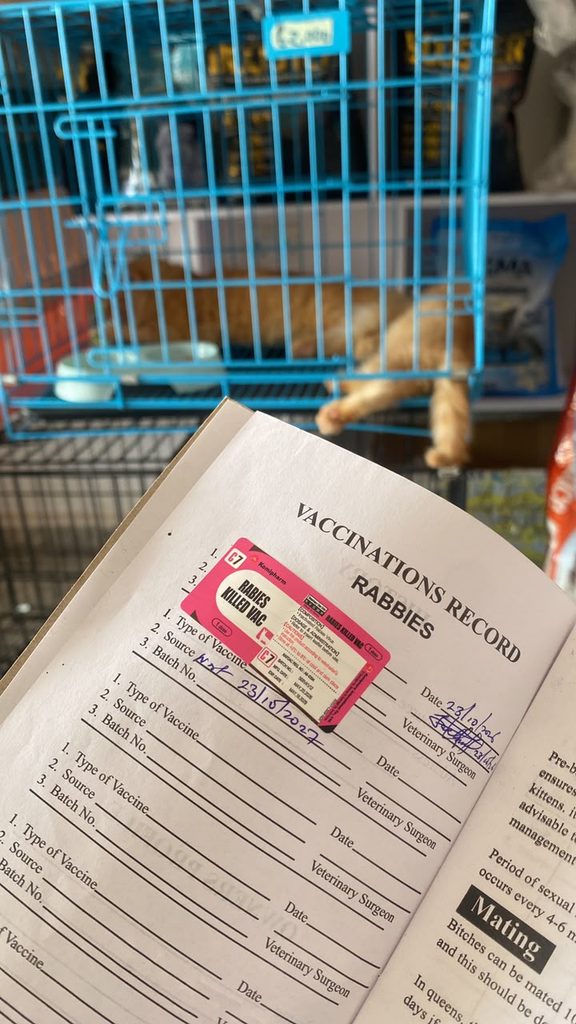
Keep a written vaccination record.
2. Prevent ticks and fleas consistently
Inspect your dog regularly, especially around the ears, neck, belly, armpits and between the toes.
Use a veterinary-recommended product that is suitable for the dog’s age, weight and health status.
Do not combine different parasite treatments without professional advice.
3. Deworm your dog appropriately
Puppies and adult dogs have different parasite-control needs.
Your veterinarian can recommend a suitable deworming programme based on age, lifestyle and parasite exposure.
Avoid repeatedly administering deworming medication without understanding which parasites need to be controlled.
4. Provide safe drinking water
Always make clean drinking water available.
Wash water bowls regularly and prevent your dog from drinking from dirty drains, stagnant pools or other potentially contaminated sources.
5. Maintain a clean environment
Clean sleeping areas, remove faeces promptly and keep feeding equipment hygienic.
Control rodents and avoid allowing rubbish to accumulate around kennels.
6. Feed a nutritionally appropriate diet
Provide a balanced diet suitable for your dog’s age, size, activity and health condition.
Avoid feeding spoiled food or allowing your dog to eat rubbish and unidentified substances.
Good nutrition supports normal health, although it does not replace vaccination or medical treatment.
7. Schedule routine veterinary examinations
Do not wait until your dog becomes visibly sick before visiting a veterinary clinic.
Routine examinations allow your veterinarian to assess body condition, dental health, parasite prevention, vaccination status and other important health indicators.
8. Keep sick dogs away from other dogs
If your dog develops symptoms that suggest an infectious disease, limit contact with other dogs.
Use separate bowls and bedding, clean contaminated areas appropriately and seek veterinary advice.
This is particularly important when parvovirus or distemper is suspected.
Common Mistakes Nigerian Dog Owners Should Avoid
Even well-meaning owners can unintentionally make a dog’s condition worse.
Avoid these mistakes:
Using human medicines without veterinary advice: Some medicines commonly used by people can be toxic to dogs or inappropriate for their condition.
Waiting for severe symptoms: A dog with early parvovirus, anaemia or another serious condition may initially appear only slightly unwell.
Using home remedies as a substitute for treatment: Herbal mixtures, kerosene, engine oil and household chemicals are not safe alternatives to veterinary care.
Skipping vaccinations: A dog that appears healthy can still be vulnerable to serious infectious diseases.
Ignoring ticks: A visible tick infestation may indicate an ongoing parasite-control problem and possible exposure to tick-borne infections.
Buying medicines from unreliable sources: Poor-quality, counterfeit or improperly stored veterinary products may be ineffective or dangerous.
Assuming every sick dog has worms: Digestive symptoms can result from infections, dietary problems, poisoning and other medical conditions.
Frequently Asked Questions About Dog Diseases in Nigeria
1. What are the most common diseases affecting dogs in Nigeria?
Important canine health concerns include parvovirus, distemper, rabies, tick-borne infections such as ehrlichiosis and babesiosis, intestinal parasites, skin infections and respiratory diseases.
Leptospirosis is also an important disease to consider because of its potential to affect both dogs and people.
The diseases affecting individual dogs vary according to location, vaccination, lifestyle and environmental exposure.
2. What are the first signs that a dog is sick?
Early warning signs include loss of appetite, unusual tiredness, vomiting, diarrhoea, coughing, fever, excessive scratching and changes in drinking or urination.
A sudden change in normal behaviour should not be ignored, particularly in puppies.
3. Can an unvaccinated dog survive parvovirus?
Yes, some unvaccinated dogs survive parvovirus with appropriate veterinary treatment. However, the disease can be fatal, especially in young puppies and severely affected animals.
Early veterinary attention improves the opportunity to provide effective supportive care.
4. How often should I vaccinate my dog in Nigeria?
The schedule depends on your dog’s age, vaccination history, vaccine product and local disease risks.
Puppies generally require multiple doses of core vaccines during their early months. Rabies vaccination should follow applicable local requirements and veterinary advice.
Ask your veterinarian to prepare an individual vaccination schedule.
5. Can dog diseases spread to humans?
Yes. Certain diseases can spread between animals and humans.
Examples include rabies, leptospirosis and some fungal skin infections.
Good hygiene, appropriate vaccination, parasite prevention and responsible handling of sick animals help reduce exposure.
6. Can ticks make a dog seriously sick?
Yes. Certain ticks transmit infections such as ehrlichiosis and babesiosis.
These infections can cause fever, weakness, anaemia and other complications.
Regular tick prevention and early veterinary assessment are important.
7. What should I do if my dog stops eating?
First, observe whether the dog has other symptoms such as vomiting, diarrhoea, weakness, pain or changes in drinking.
If appetite loss persists, arrange a veterinary examination. Seek immediate attention if the dog is also weak, repeatedly vomiting, collapsing or showing other emergency signs.
Do not force-feed a severely ill dog or administer human medication without veterinary guidance.
8. How can I tell if my dog has parvovirus or ordinary diarrhoea?
You cannot reliably distinguish parvovirus from other causes of diarrhoea using symptoms alone.
Parvovirus may cause lethargy, loss of appetite, vomiting and diarrhoea, sometimes containing blood. However, other diseases can produce similar signs.
A veterinarian may recommend a faecal antigen test and additional investigations.
9. Are local Nigerian dogs less likely to get diseases?
No dog should be considered immune to infectious diseases simply because of its breed or local origin.
Local Nigerian dogs can still develop parvovirus, distemper, rabies, tick-borne infections and intestinal parasites.
Vaccination and preventive healthcare remain important.
10. When should I take a puppy to the vet?
Arrange an initial veterinary examination soon after acquiring a puppy.
Your veterinarian can assess its health, establish a vaccination and deworming programme, discuss nutrition and explain how to protect it from infectious diseases.
A puppy with vomiting, diarrhoea, weakness, poor feeding or unusual behaviour should be assessed promptly.
Final Thoughts
Protecting your dog from diseases in Nigeria requires consistent preventive care, attention to early warning signs and timely veterinary assistance.
Diseases such as parvovirus, distemper, rabies, ehrlichiosis and babesiosis can cause serious complications, but several important risks can be reduced through vaccination, tick control, good hygiene and responsible dog ownership.
Pay attention to changes in your dog’s appetite, behaviour, energy level, stool, urine and general appearance. Do not wait for a condition to become severe before seeking professional help.
Most importantly, establish a relationship with a qualified veterinarian who understands your dog’s health history and can recommend an appropriate preventive-care programme.
A healthy dog needs more than food and shelter. It needs regular monitoring, preventive healthcare and responsible attention throughout its life.
Veterinary disclaimer: This article is intended for general educational purposes and does not replace a physical veterinary examination, professional diagnosis or individualised treatment. If your dog is unwell or showing emergency warning signs, contact a qualified veterinarian without delay.

Reliable veterinary and policy sources consulted
The following sources provide the medical and publishing-policy foundation for the article. These are references for verification, not sources from which the article has been copied.
Veterinary and animal-health references
1. World Health Organization (WHO) – Rabies
Rabies: Facts, prevention and post-exposure treatment .
Used for rabies transmission, prevention, public-health risks and the importance of immediate wound washing following exposure.
2. WHO Africa – Nigeria rabies prevention
Nigeria steps up action to prevent rabies deaths through a One Health approach .
Particularly relevant to the Nigerian context and coordination between veterinary and human-health services.
3. Merck Veterinary Manual – Canine Parvovirus
Used for symptoms, transmission, complications and treatment principles.
4. Merck Veterinary Manual – Canine Distemper
Used for respiratory, digestive and neurological symptoms and preventive vaccination.
5. Merck Veterinary Manual – Ehrlichiosis
Used for tick transmission, clinical signs and diagnostic considerations.
6. Merck Veterinary Manual – Babesiosis
Used for red blood cell destruction, anaemia, jaundice and tick transmission.
7. Merck Veterinary Manual – Leptospirosis
Used for kidney and liver complications, symptoms, transmission, zoonotic risks and prevention.
8. World Small Animal Veterinary Association (WSAVA)
2024 Global Vaccination Guidelines .
Used for the general principles of puppy vaccination and core canine vaccines.
9. World Health Organization – Animal Bites
Animal Bites: Prevention and Treatment .
Used for bite-wound management and the importance of medical assessment.
Personally Reviewed
Leave a Reply